
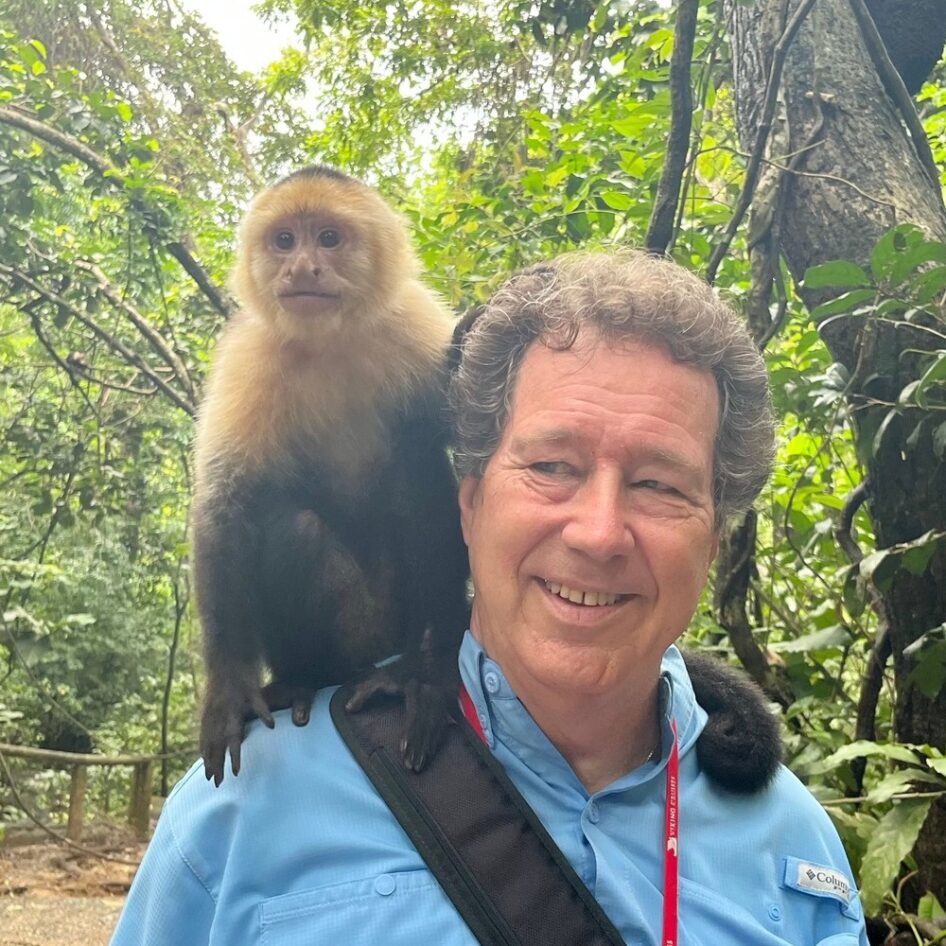
There is a kind of seeing that cannot be hurried. It asks a person to slow down, grow quiet, wait without demanding anything, and trust that beauty may reveal itself in its own time. For Rev. David McBride, a retired United Methodist pastor and nature photographer, that kind of seeing has become one of the gifts of retirement: a new way of entering what Scripture calls “the secret place of the Most High,” where refuge, wonder, patience, and praise all meet.
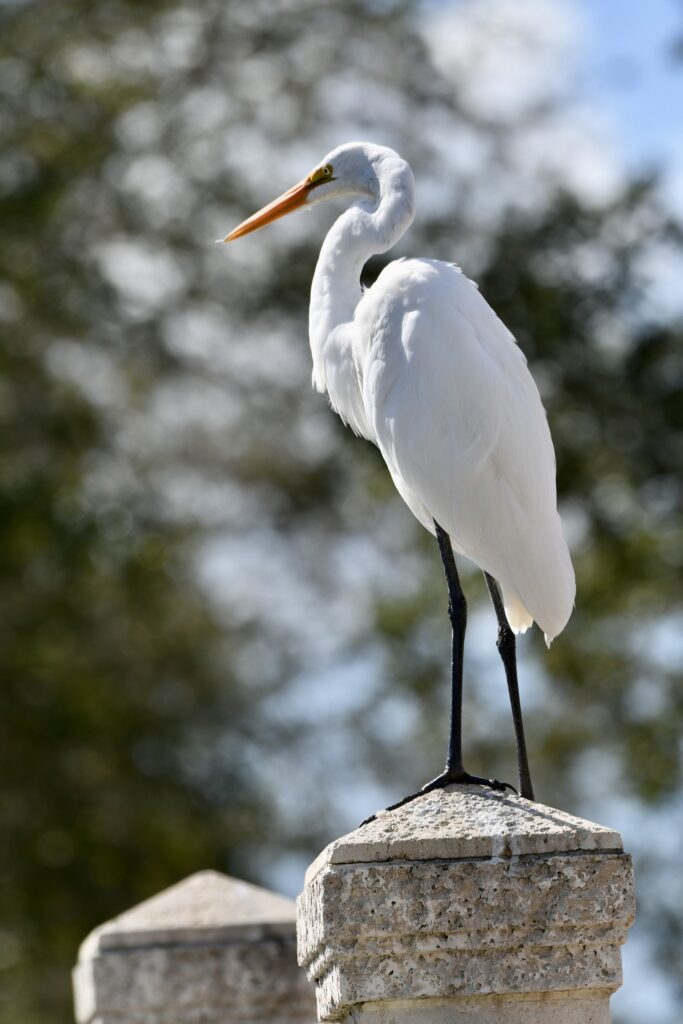
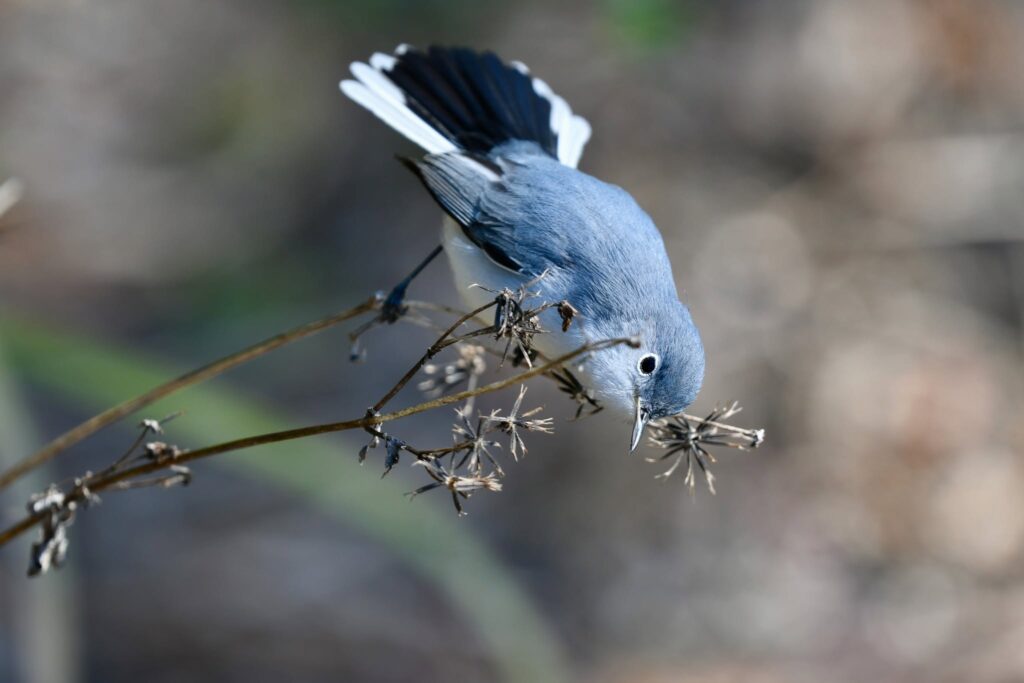
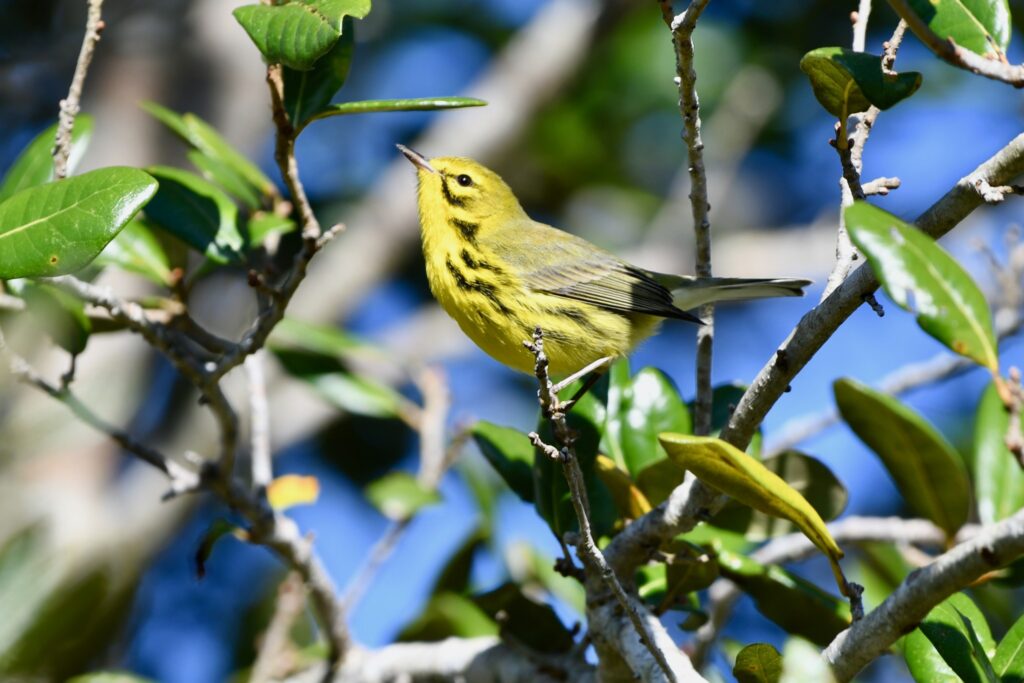
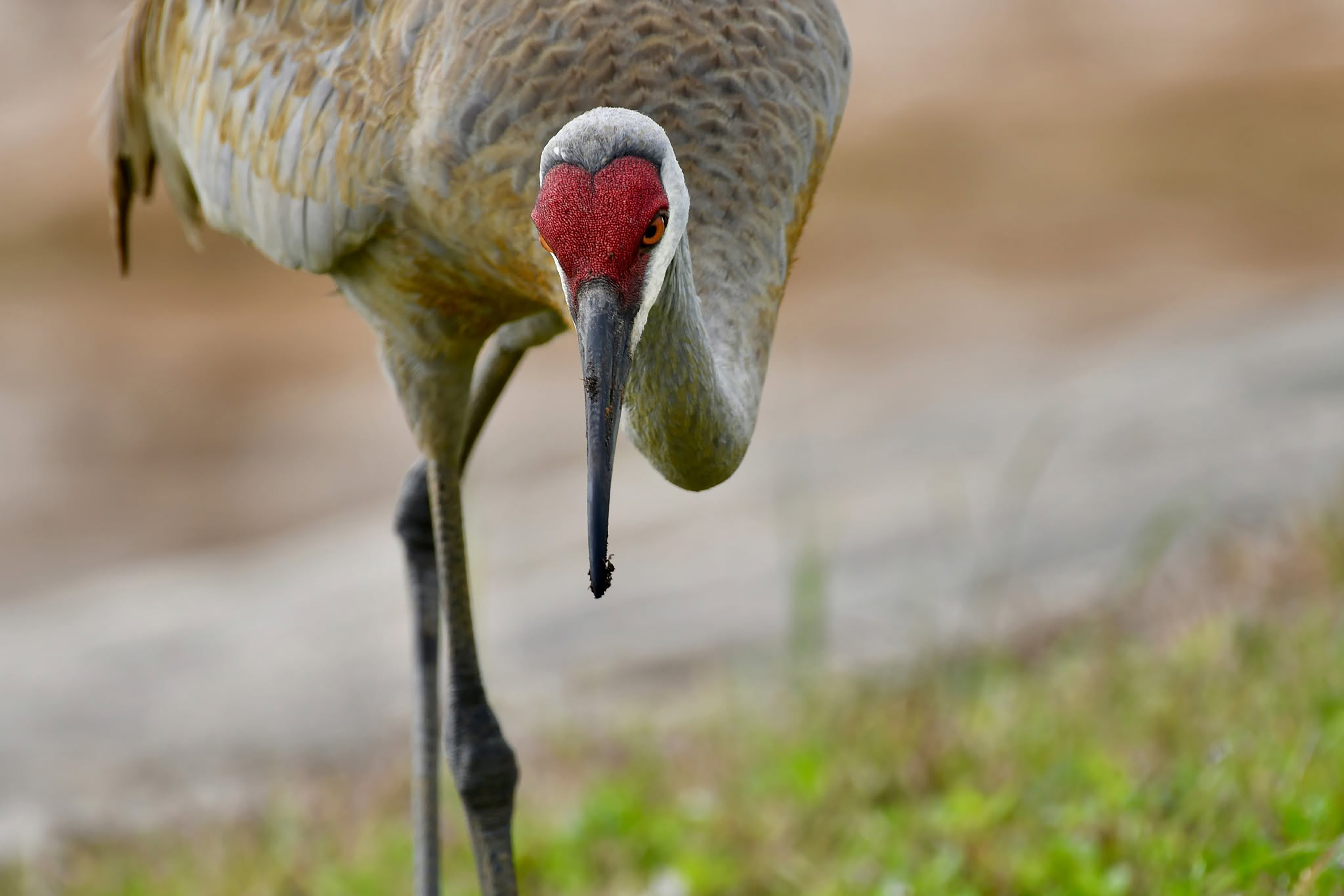
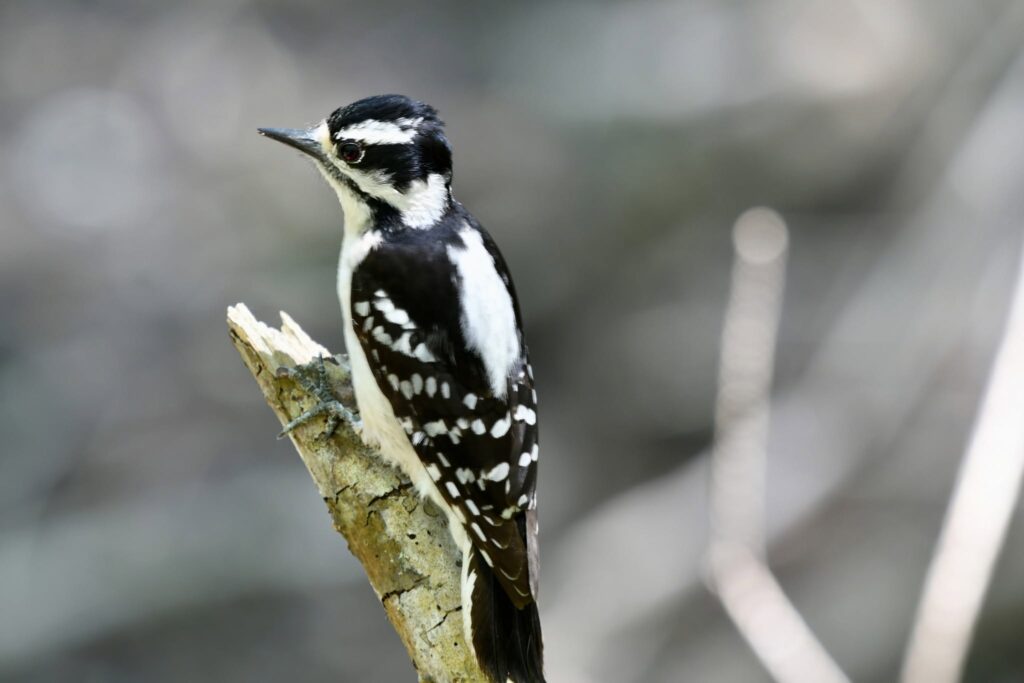
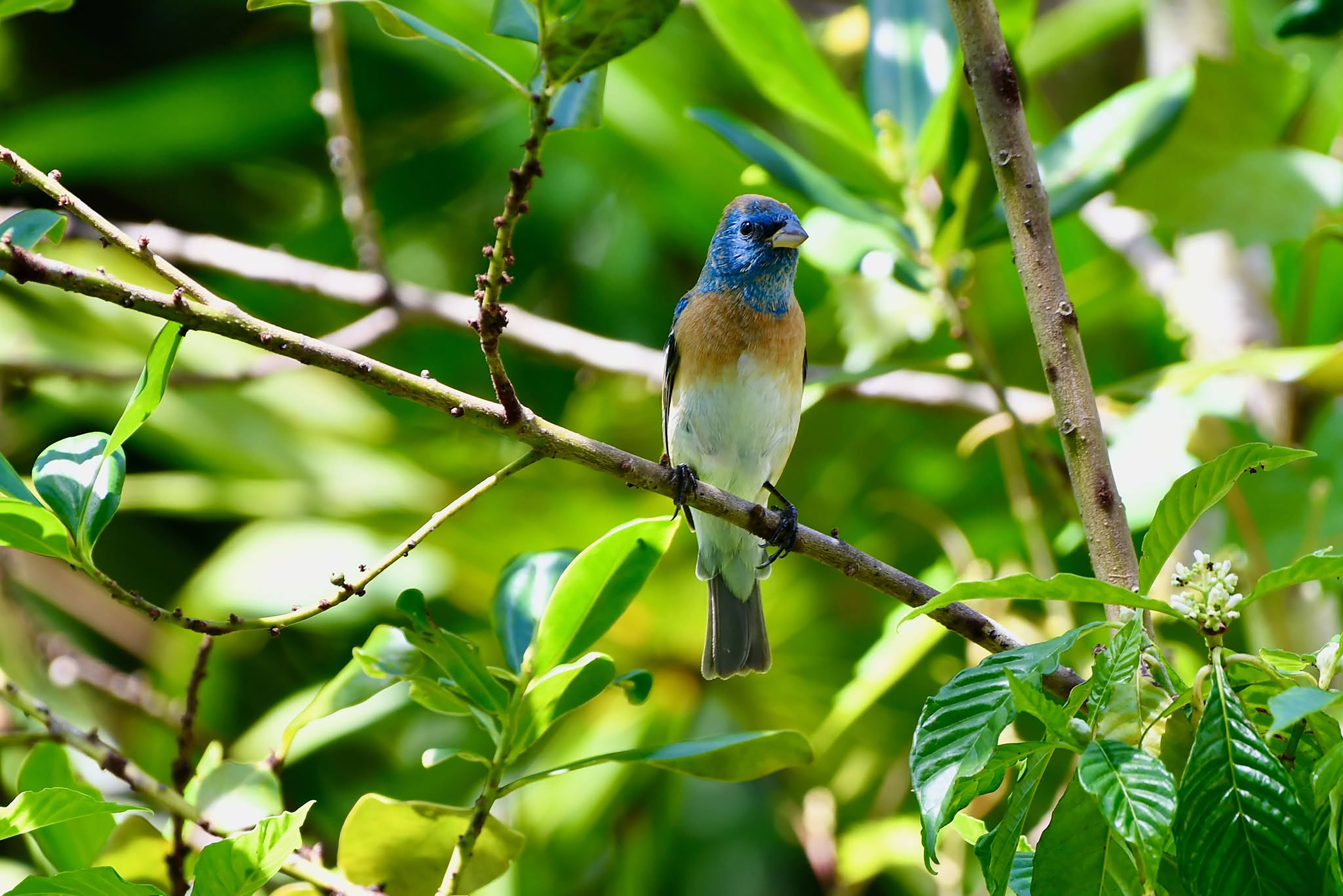
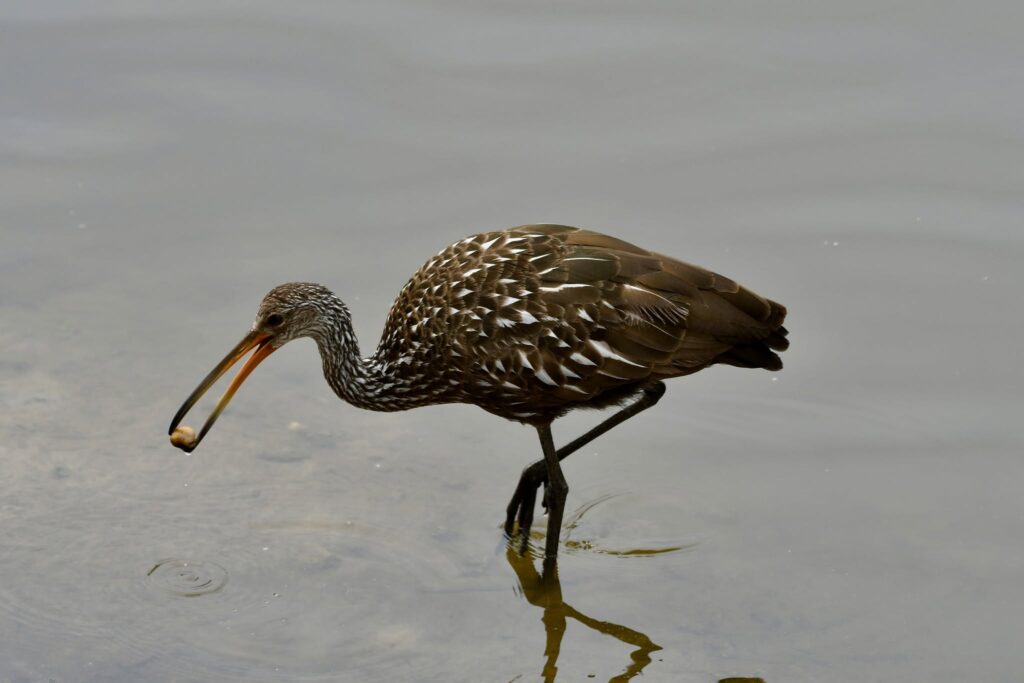
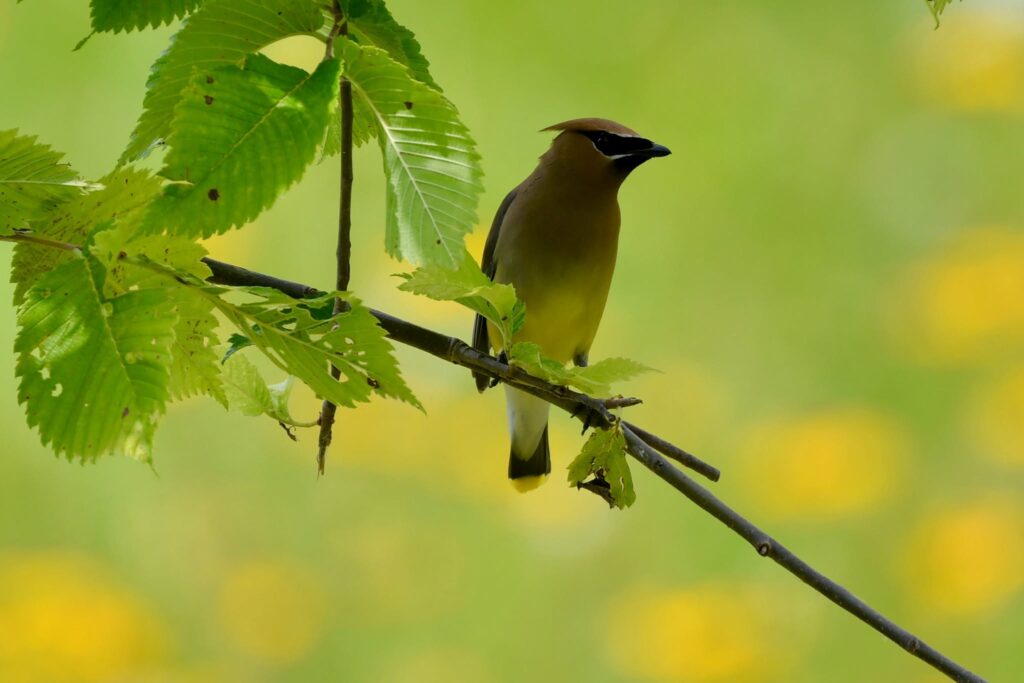
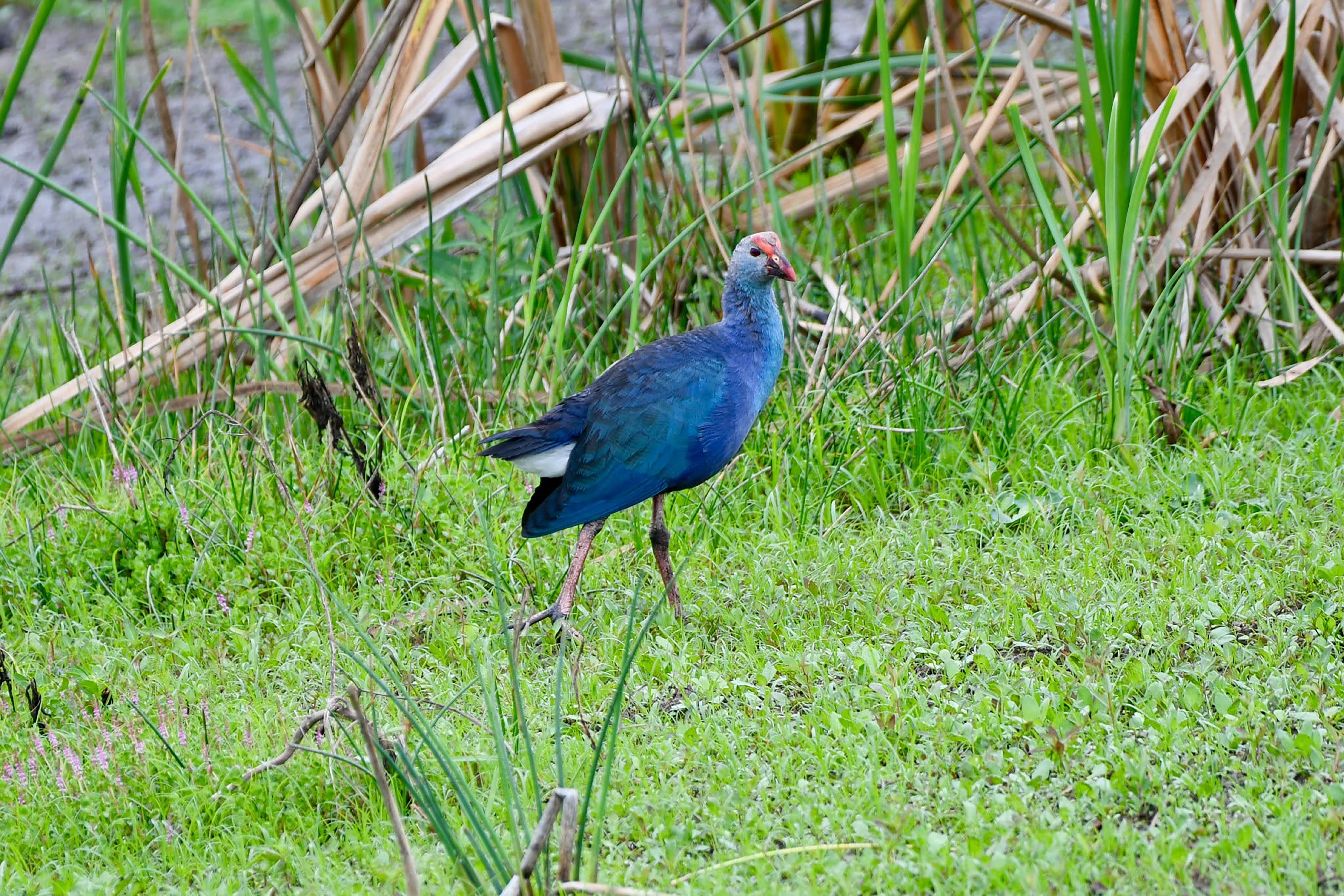
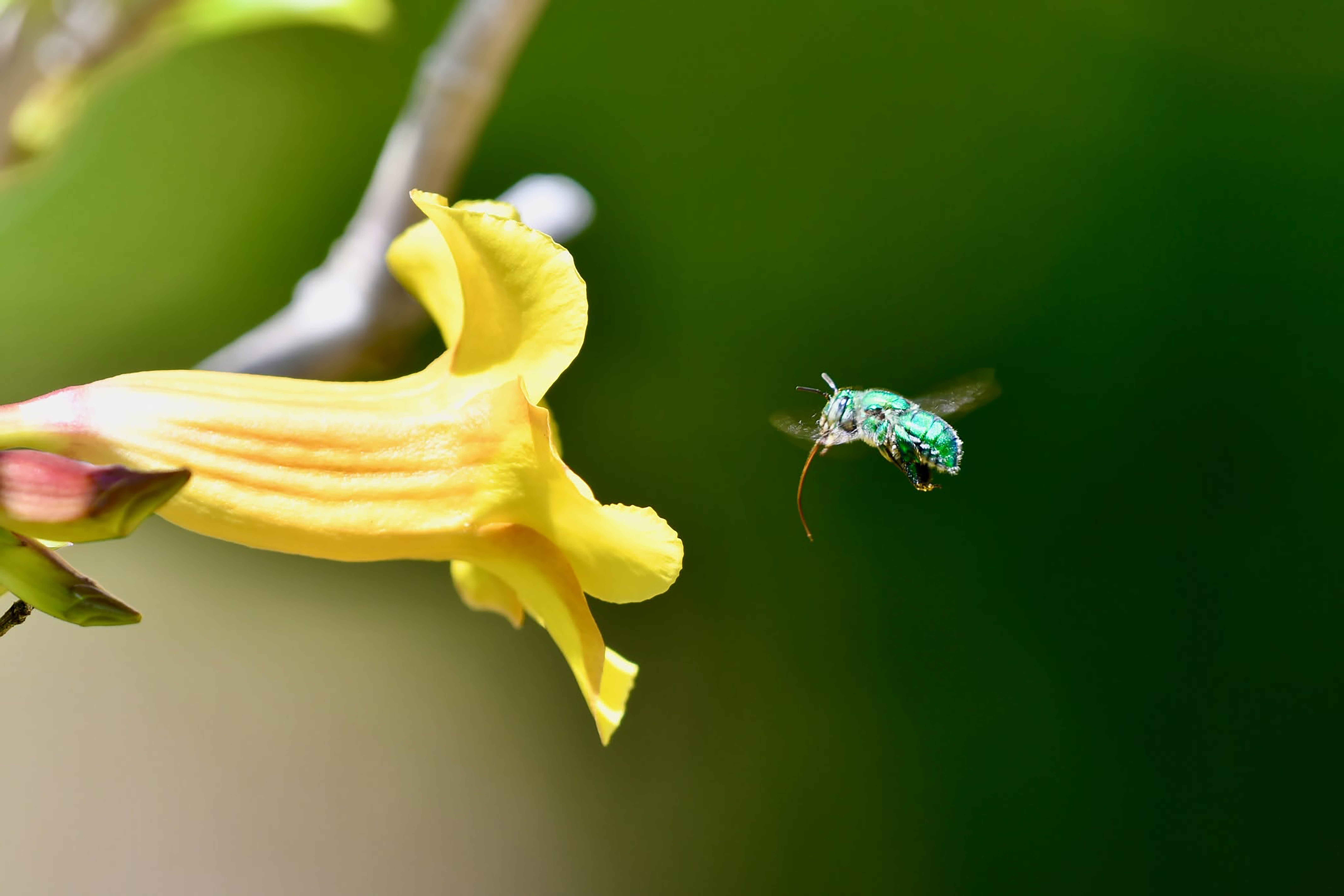
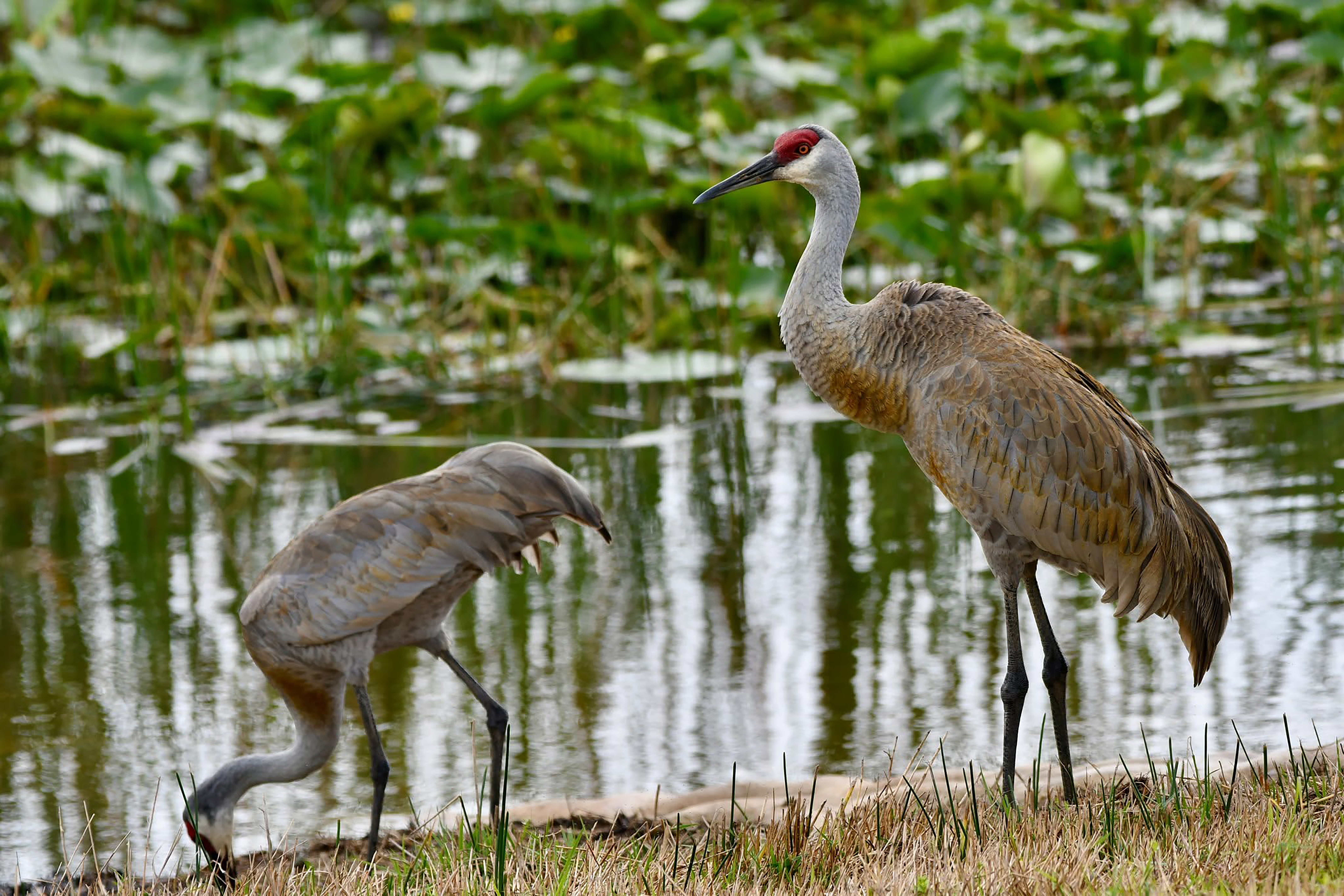
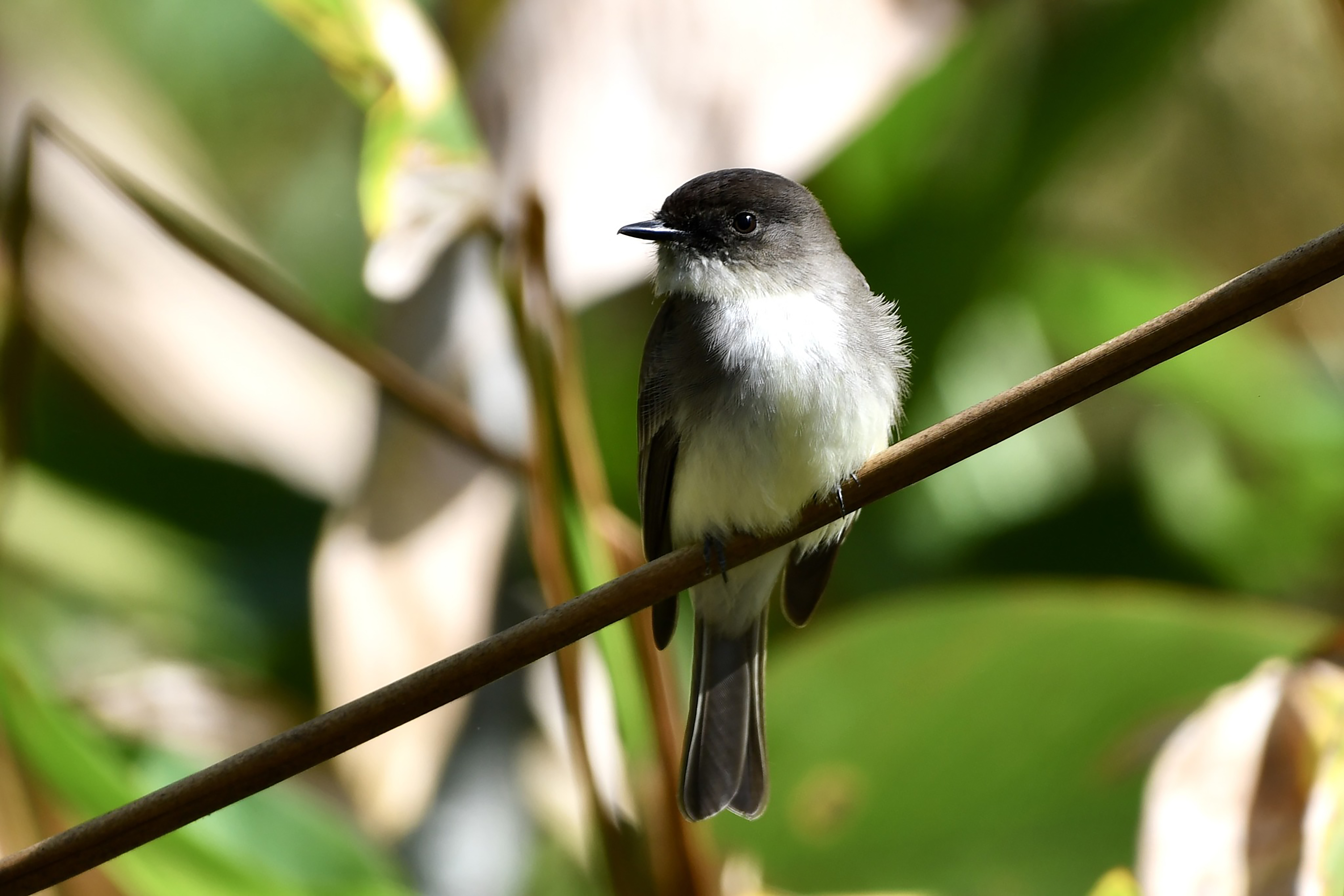
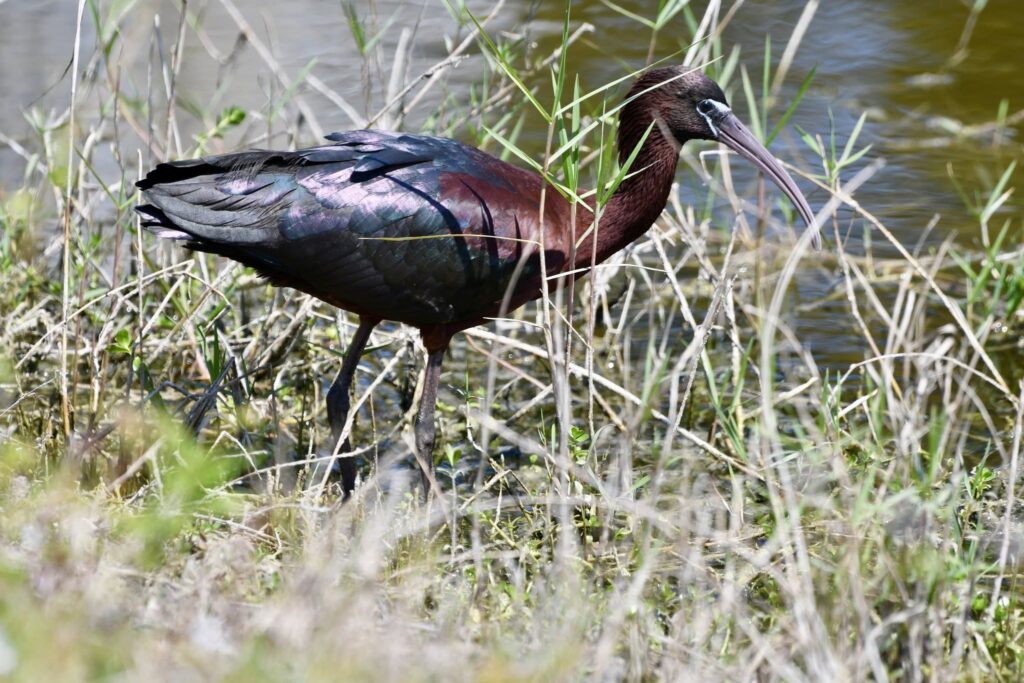
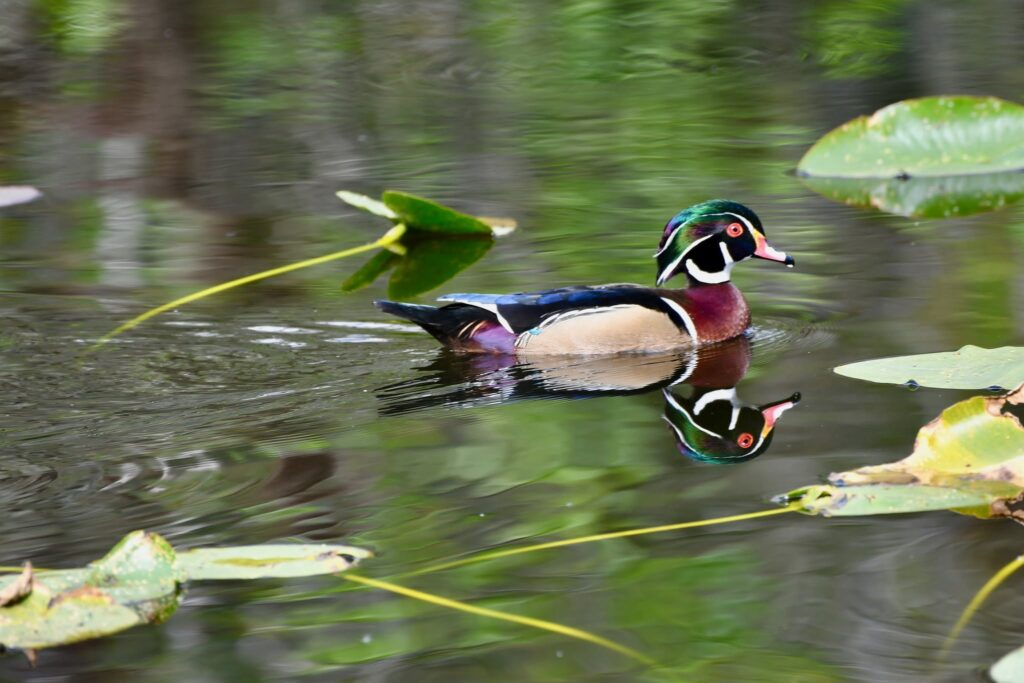
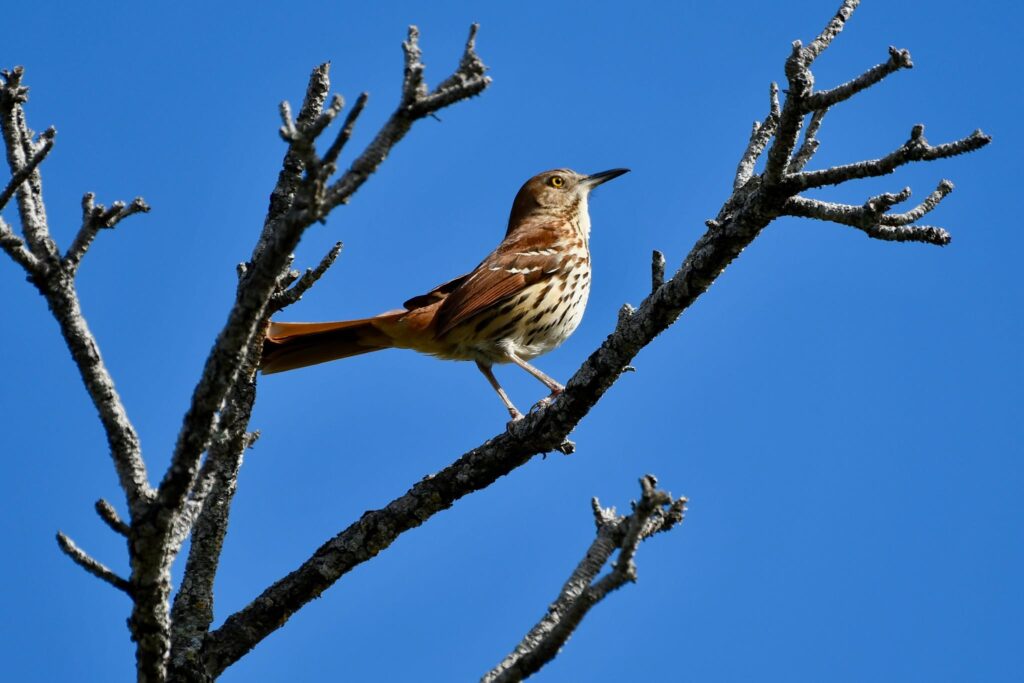
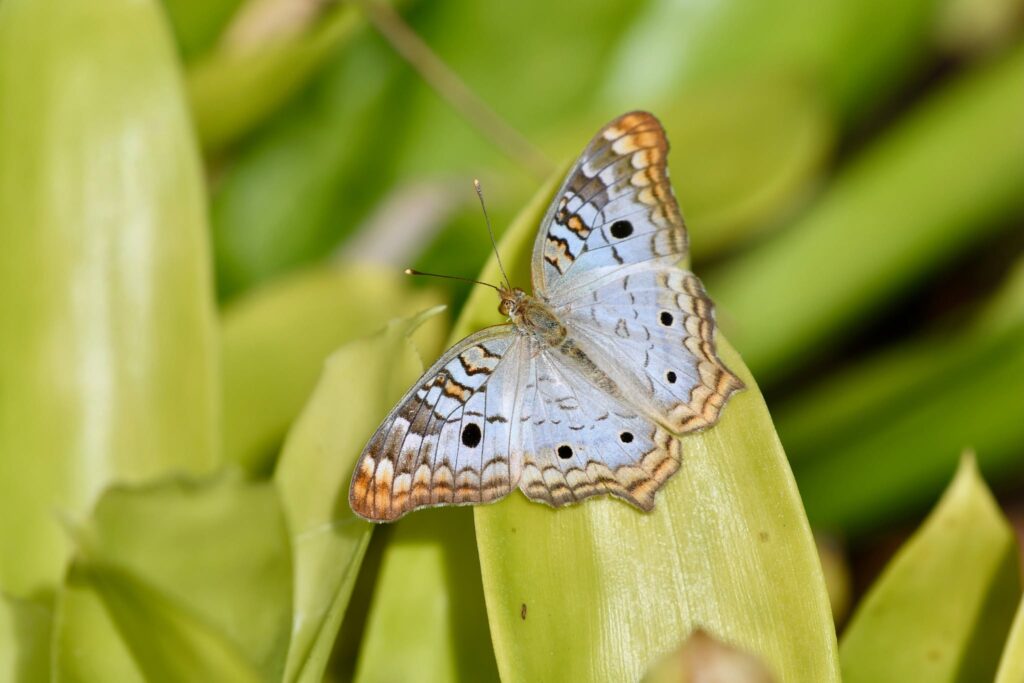
McBride’s photographs—birds in flight, wildlife in stillness, creation caught in a sudden flash of color or light—are more than just beautiful images. They are the fruit of a life trained in attention. After 40 years of ordained ministry in the Minnesota Annual Conference of the United Methodist Church, and after decades of preaching, prayer, pastoral care, and justice work, McBride now often carries a Nikon D500 camera with a Nikon 200-500 lens into the natural world. There, amid wings and water and weather, he continues to practice a calling that has always been about love: love for God, love for neighbor, and love for the whole world God made.
“Being out in nature does help to take my mind off of troubling issues,” McBride says. “It is a place where I can relax and enjoy God’s beautiful world.”
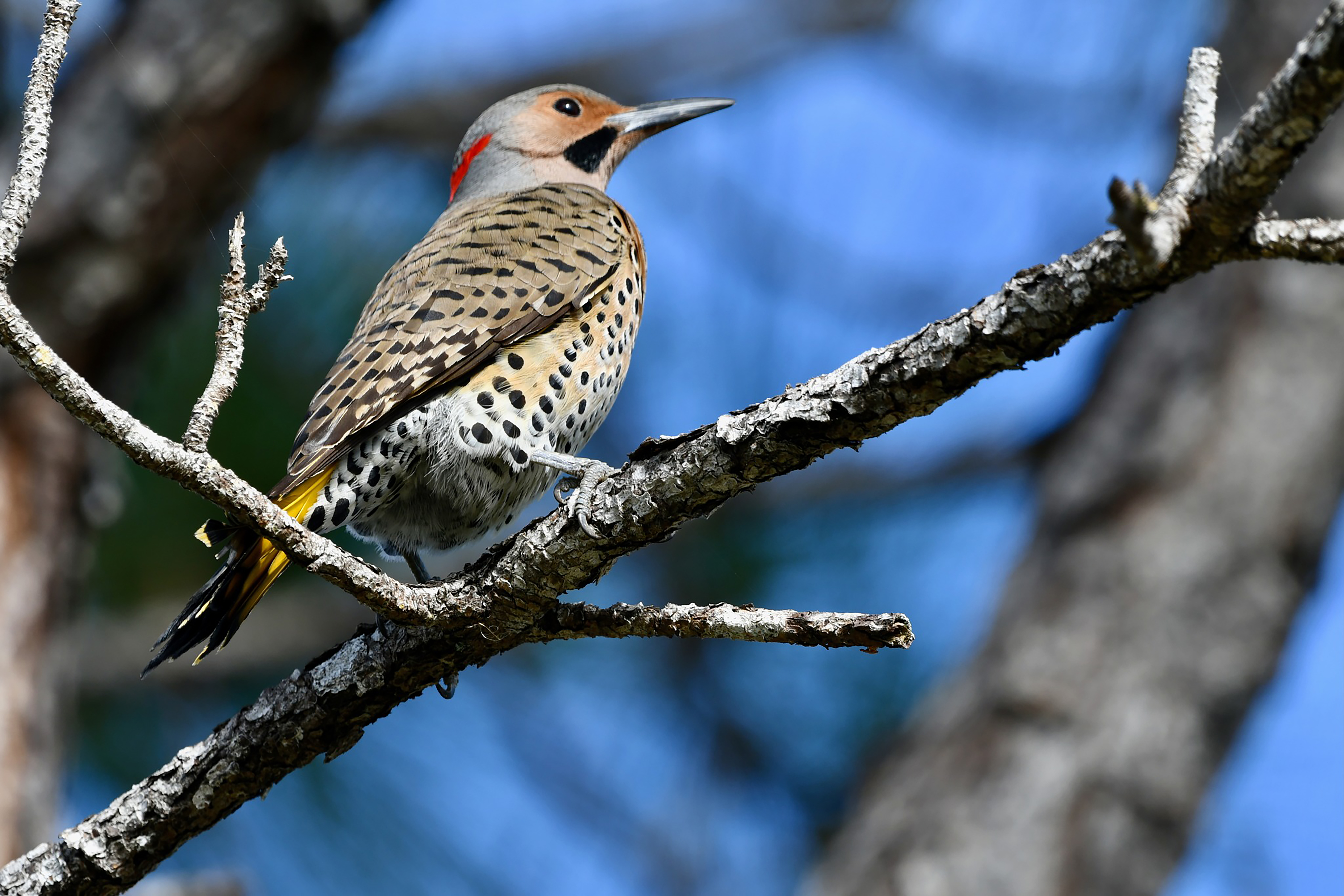
That peace is not escapism, however. For McBride, it seems closer to restoration. In a world where the news can feel heavy—where immigrants and marginalized communities face fear, instability, and injustice—his time in nature offers a holy pause. It is a place to remember what is still true: that God’s creation is good, that each day contains its own beauty, and that the call to compassion has not changed.
A Life Formed by Love
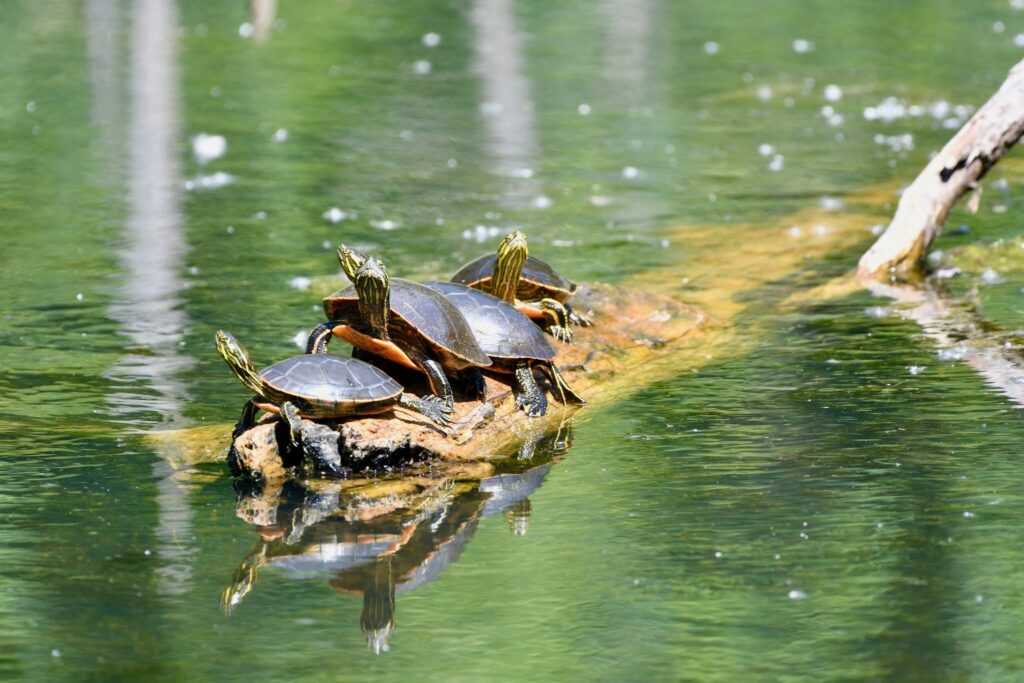
McBride was raised in a family that moved often because of his father’s work—relocating first from Memphis, Tennessee to a town near Boston, Massachusetts, then to St. Louis, Missouri, to Norfolk, Virginia and finally to the Minneapolis, Minnesota area. He was not, as a child, always surrounded by nature. Yet there were isolated encounters: a lake in Norfolk that reached a neighbor’s backyard, baby turtles caught with a friend, glimpses of living things close enough to hold.
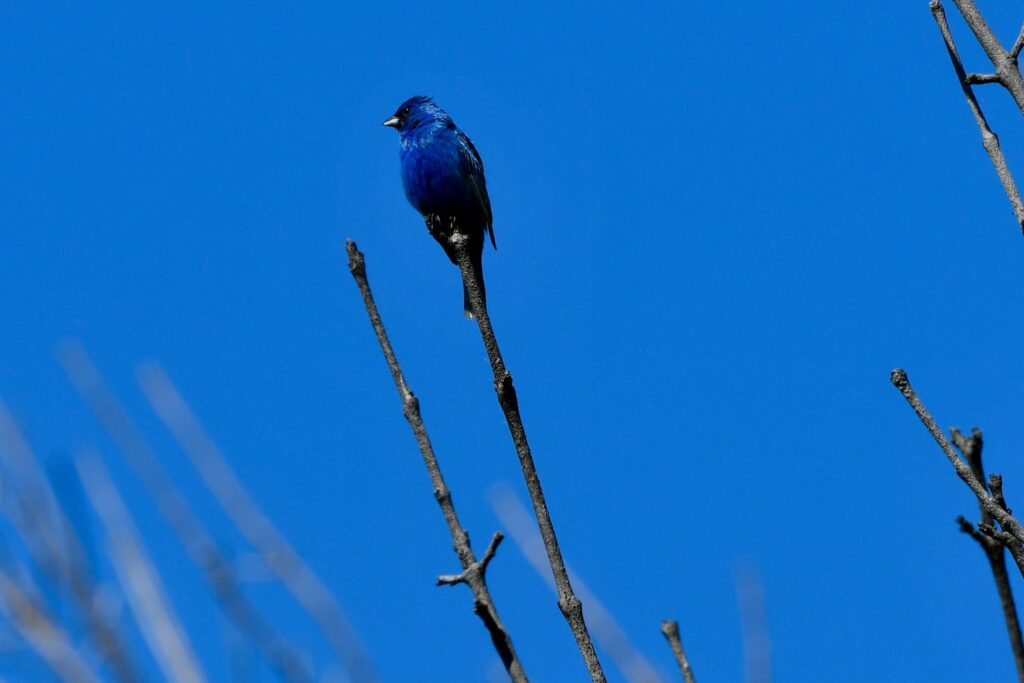
His relationship with photography began early enough to leave a mark. During college and seminary, he spent five summers working at a camp for people with disabilities. One summer, he was in charge of photography, taking black-and-white photos of campers and activities and developing them in a darkroom. He remembers being fascinated by the process.
But ministry came first. McBride says he has been a Christian as far back as he can remember, raised in a home where he knew he was loved and where God’s love was never something narrow. “I have always felt loved by God,” he says, and believed “that God loved everyone else as well.”

That conviction shaped him. In high school, while the Vietnam War raised urgent moral questions, he became a draft counselor. In college, his draft counseling work connected him with campus ministry, and through that involvement he began to sense a call to pastoral ministry. He attended Garrett-Evangelical Theological Seminary and went on to serve six churches over 40 years.
Even now, though retired, McBride occasionally preaches at Cornerstone United Methodist Church in Naples, among other places, where he has been drawn by “its openness and inclusiveness, and its emphasis on following and serving Jesus.” Cornerstone was named a Top Church in Naples in 2025 by Naples Noteworthy for its emphasis in aligning faith with community action and upholding the teachings of Christ, and its lead pastor, Rev Roy Terry IV, was our June feature.
The Spiritual Discipline of Seeing
During his busy years of ministry, McBride says he only dabbled in photography—taking photos of flowers, sunsets, seashells, or an occasional waterbird during Florida vacations. It was his retirement, nine years ago, that gave him the gift of time. Since then, what began as interest has become practice.
The practice requires patience. Birds do not perform on command. Light changes quickly. A photographer must watch, wait, listen, and sometimes return home with nothing but the grace of having spent a day outdoors. He has learned to identify birds by sight and, in some cases, by song or call. When he photographs a bird he does not know, he uses the Merlin Bird ID app to help identify it. But the deeper work happens before the shutter clicks.
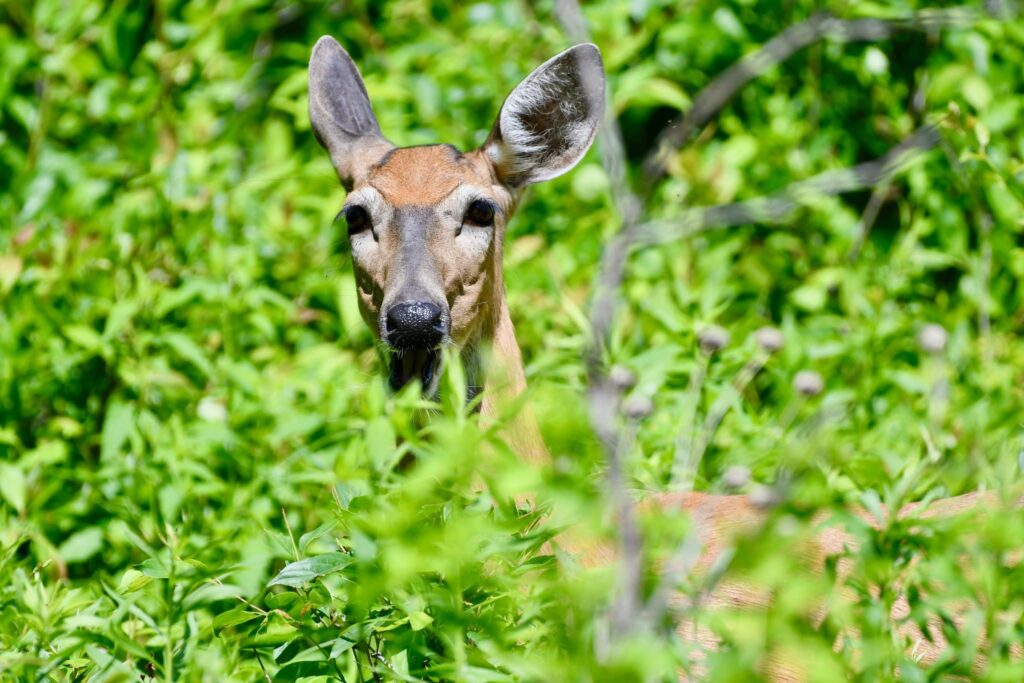
“To get good pictures of birds or most any kind of nature photo, you have to slow down, take your time, and be observant,” he says. While “trying to soak in the beauty, sometimes a photo presents itself.”
That sentence sounds almost like a description of prayer. It also echoes one of the important spiritual influences in McBride’s life: the Academy for Spiritual Formation, a program of The Upper Room that emphasizes disciplined Christian community and spiritual rhythms of study and prayer, silence and liturgy, solitude and relationship, rest and play. McBride participated in the Academy from about 2008 to 2011 and says it deepened his prayer life.
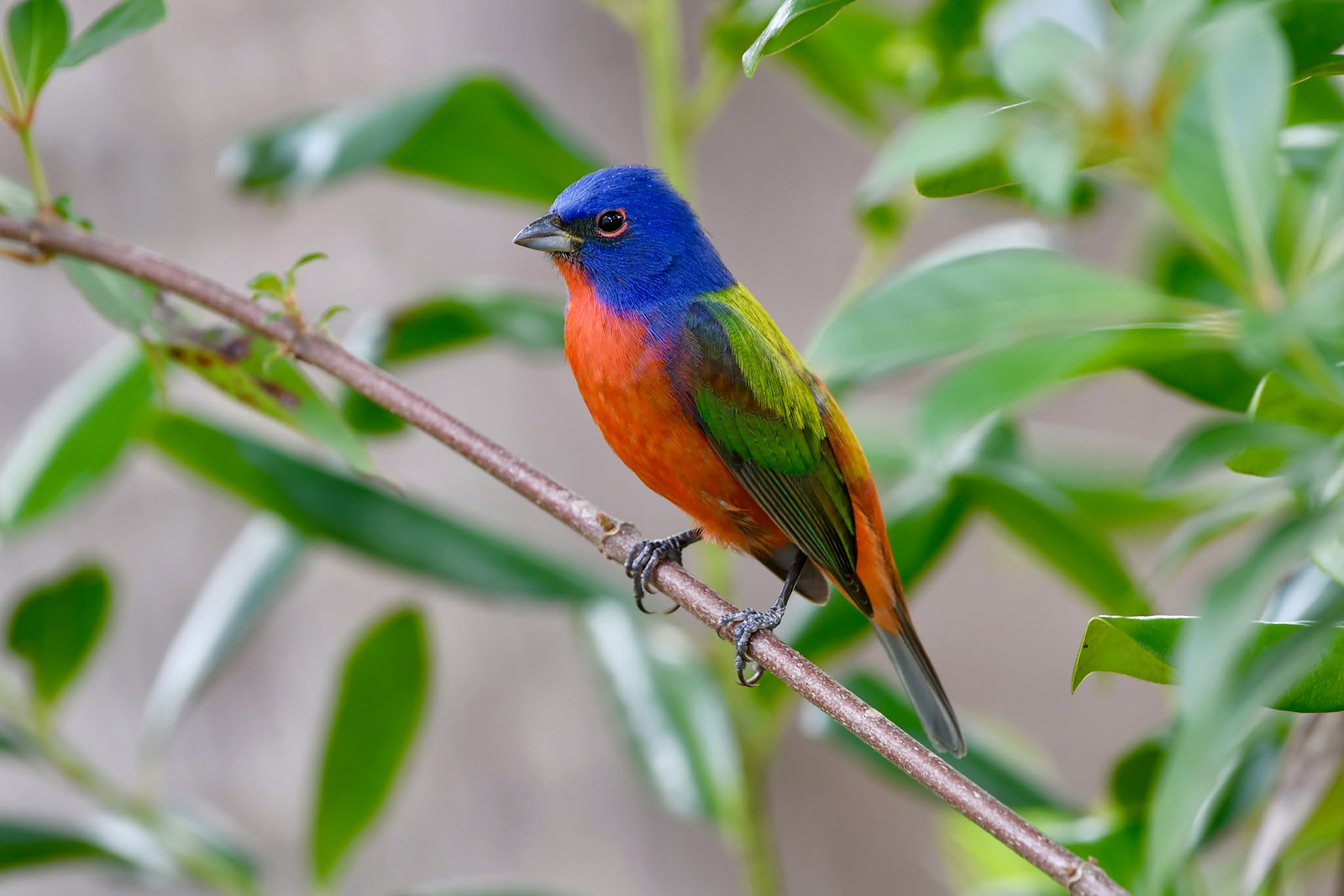
Perhaps that formation prepared him, in ways he may not have anticipated, for photography. The same habits that sustain prayer—silence, solitude, attention, patience, receptivity—also shape the photographer who waits for a bird to turn, a wing to lift, a shaft of light to fall across the water. The photograph is not forced. It is received.
The Secret Place
Psalm 91 begins with an image of intimacy and shelter: “He who dwells in the secret place of the Most High shall abide under the shadow of the Almighty.” It continues with language of refuge, wings, feathers, and trust. For a pastor who photographs birds, the imagery feels especially tender. Under His wings, the psalm says, you shall take refuge.
He who dwells in the secret place of the Most High
Psalm 91:1-4 NKJV
Shall abide under the shadow of the Almighty.
I will say of the Lord, “He is my refuge and my fortress;
My God, in Him I will trust.”
Surely He shall deliver you from the snare of the fowler
And from the perilous pestilence.
He shall cover you with His feathers,
And under His wings you shall take refuge;
McBride does not describe his photography in grandiose terms. He is modest about it. He speaks of walking, relaxing, noticing, sharing beauty with others. Yet there is something deeply pastoral in that modesty. The “secret place” is not always dramatic. Sometimes it is a trail, a preserve, a patch of open sky, a pond edge, a moment when an animal appears and the photographer is simply there—quiet enough, patient enough, ready enough—to see it.
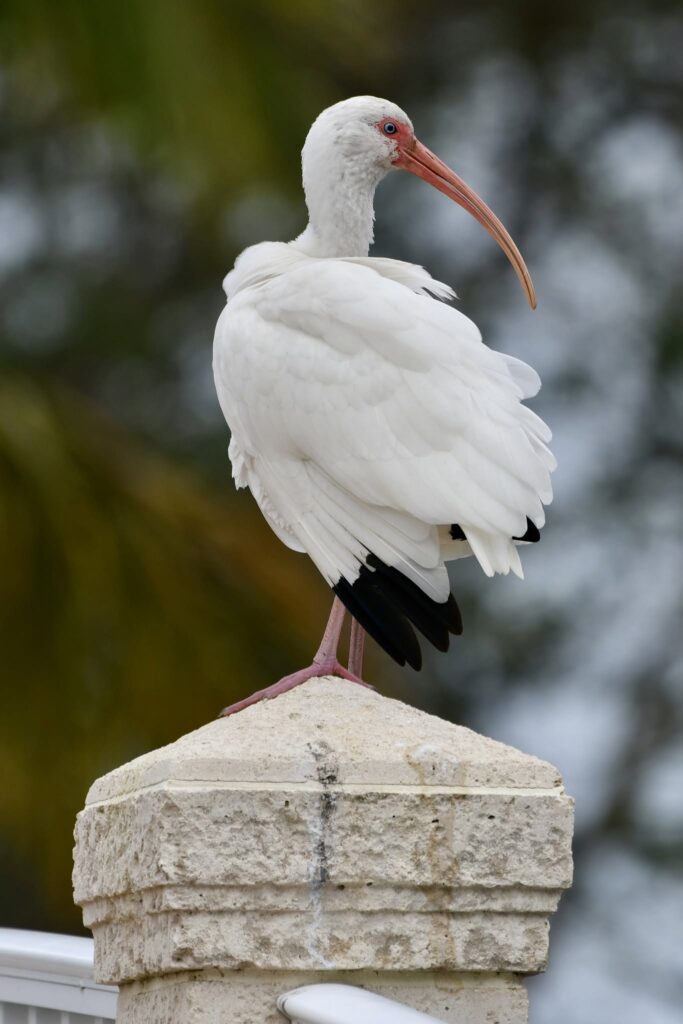
In that moment, photography becomes a window into praise. The camera does not create the beauty; it receives it. The photographer does not command creation; he beholds it. And when the image is shared, others are invited into the same pause, the same small astonishment: Look what God has made.
Beauty in a Troubled World
McBride’s attention to beauty does not separate him from the suffering of the world. In fact, his theology moves in the opposite direction. One of his favorite verses is John 3:16, and what matters to him is the breadth of it: “For God so loved the world.” Not just people like us, not just the church, not just Christians, not just the people we already find easy to love. “God still does love the world,” McBride says, “the whole world and everyone and everything in it.”
For God so loved the world that He gave His only begotten Son, that whoever believes in Him should not perish but have everlasting life.
John 3:16 NKJV
That belief informs his involvement with immigrant support efforts. At Cornerstone, McBride is part of the Immigrant Mission Team. In Minnesota, after participating in Cornerstone’s immigration support work, he helped start a similar group in his Minneapolis congregation. In the wake of Operation Metro Surge, he says the community was deeply scarred, but he also saw a strong show of solidarity as residents supported and cared for one another.
“I believe Christ taught that all people are important, loved, and of value,” he says. “The love of God is for everyone, and we need to include everyone in the embrace of God’s grace.”
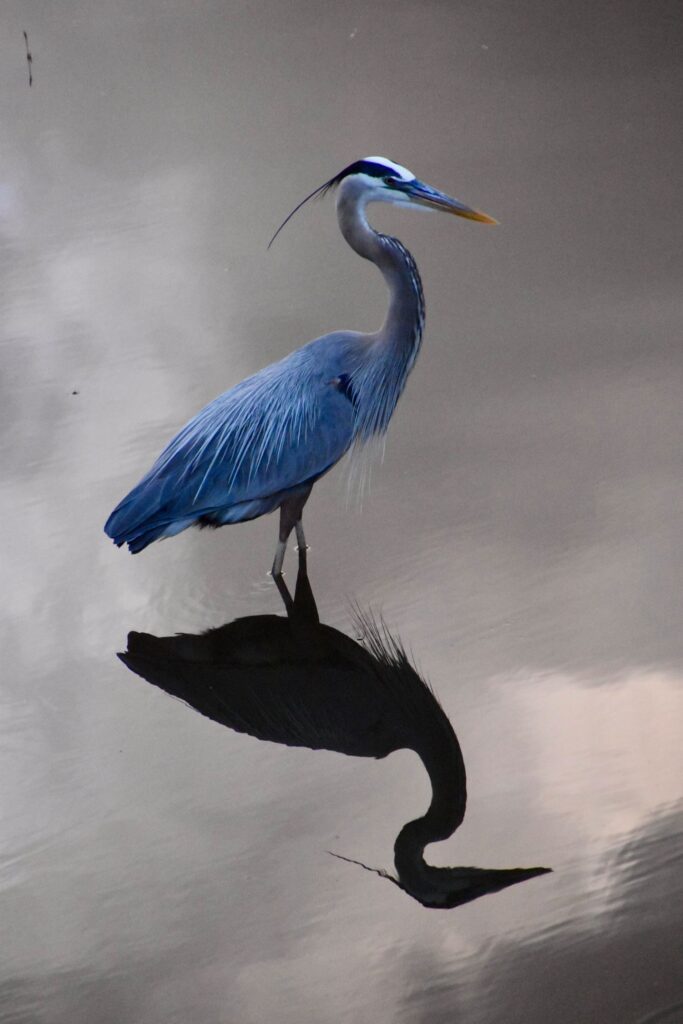
In that context, his nature photography carries its own quiet witness. It offers peace, but not denial. It offers beauty but not retreat from responsibility. It reminds viewers that the world God loves is not abstract. It is made of people and places, birds and habitats, neighbors and strangers, fragile ecosystems and communities under pressure. To love the world as God loves the world is to care for all of it.
Creation as Calling
McBride’s concern for creation extends beyond photography. He supports Audubon’s work to protect endangered animals and believes the Genesis call for human beings to “have dominion” over creation should be understood as a call to caretaking. As human expansion threatens habitats, he recognizes the danger facing many species, though he says he hopes we are not among the last generations to see the creatures he photographs.
So God created man in His own image; in the image of God He created him; male and female He created them. Then God blessed them, and God said to them, “Be fruitful and multiply; fill the earth and subdue it; have dominion over the fish of the sea, over the birds of the air, and over every living thing that moves on the earth.”
Genesis 1:27-28 NJKV
His travels have also deepened his sense of wonder. He remembers the sculptures of Vigeland Park in Oslo, the Van Gogh Museum and Rijksmuseum in Amsterdam, and especially the National Aviary of Colombia in Cartagena, where the variety and beauty of birds left a lasting impression.
Still, wonder does not always require travel. Sometimes it is found close to home, on a walk with a camera, in the thrill of seeing a bird he has never seen before, or simply in a day outdoors when no photograph arrives. “Even when I get no pictures at all,” he says, “it is still a good day simply by walking in nice weather outdoors.”
That spirit reflects another of McBride’s favorite verses, Psalm 118:24: “This is the day the Lord has made, rejoice and be glad in it.” Each day, he says, has its own beauty. Each day contains cause for celebration.
This is the day the Lord has made;
Psalm 118:24 NJKV
We will rejoice and be glad in it.
Whatever Is Lovely
The photographs gathered here invite that kind of celebration. They ask viewers to think on what is lovely, admirable, excellent, and praiseworthy. They are calming not because they ignore the world’s pain, but because they remind us that goodness is also real. Creation is still speaking. Beauty is still being given. God’s world is, as McBride puts it, “always evolving, and thus is ever new and fresh.”
Finally, brethren, whatever things are true, whatever things are noble, whatever things are just, whatever things are pure, whatever things are lovely, whatever things are of good report, if there is any virtue and if there is anything praiseworthy—meditate on these things.
Philippians 4:8 NKJV
For a lifelong pastor, photography may be a new medium, but it is not a new calling. It is another way of preaching without a pulpit, another way of praying without many words, another way of standing in the secret place and noticing what grace has placed nearby.
A bird lifts its wings. A camera rises. A pastor waits, sees, receives. And for one brief moment, creation opens like a sheltering wing, and the hidden place becomes visible.
Gallery

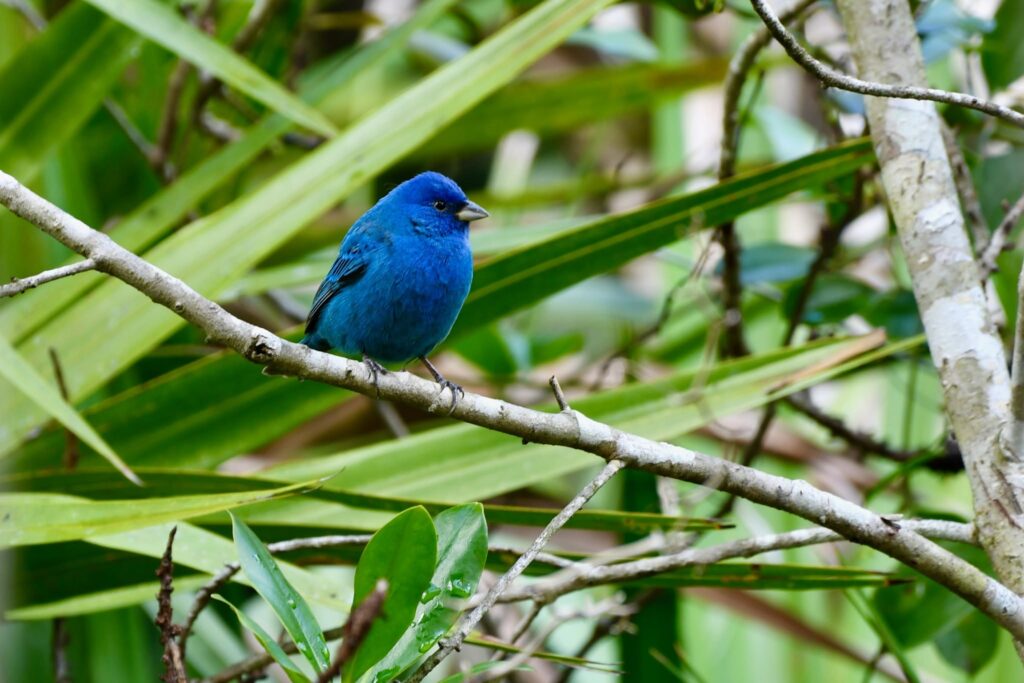
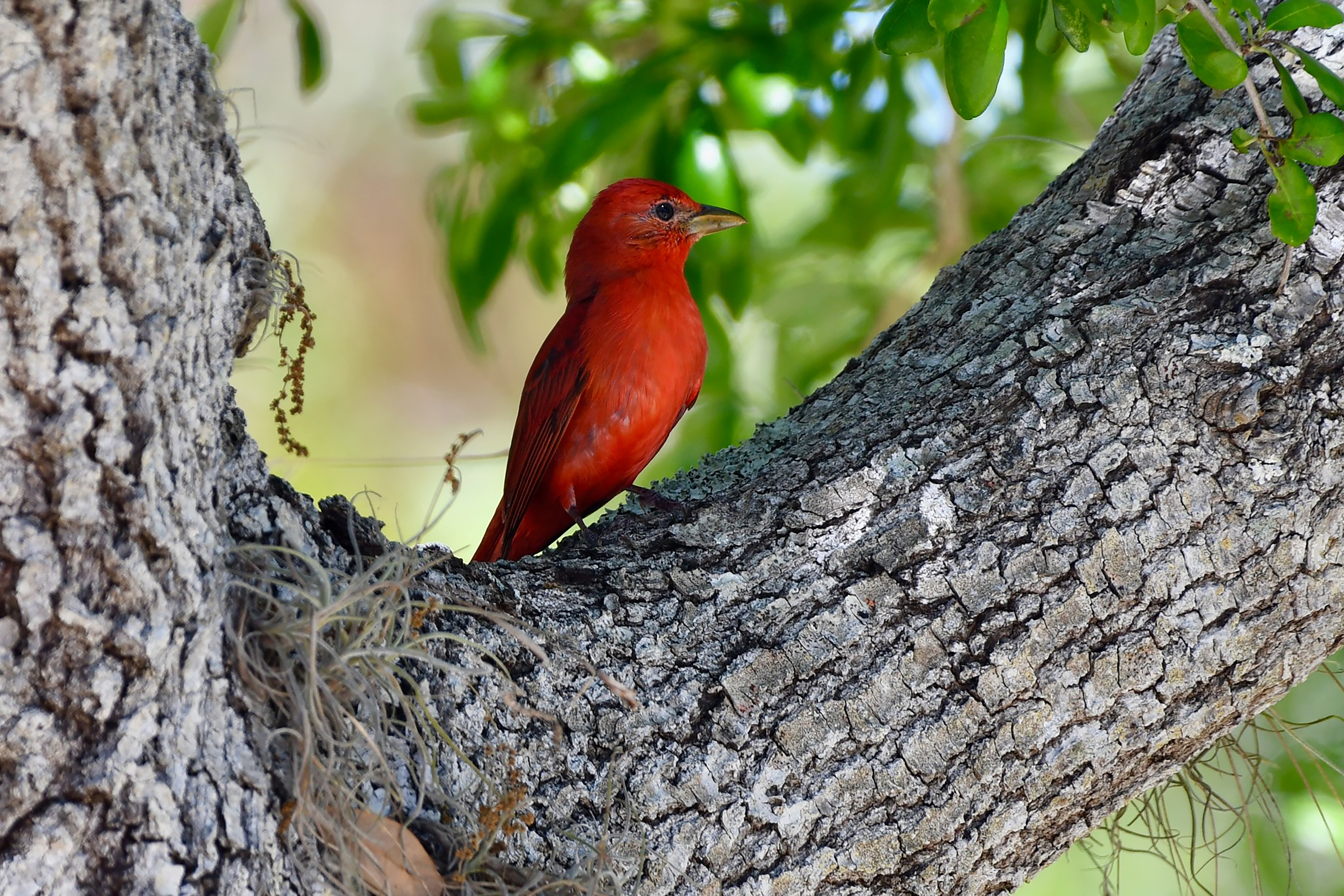
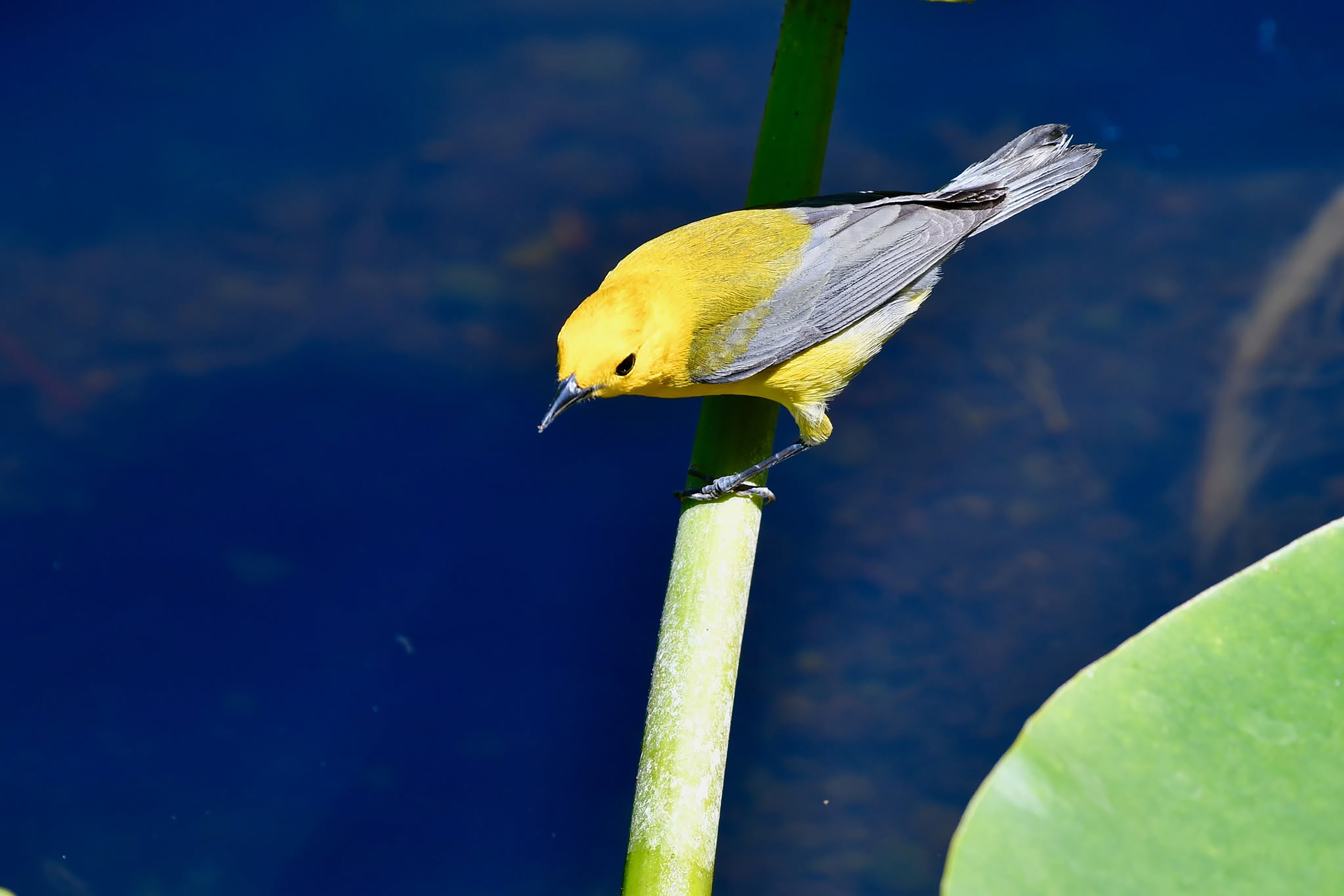
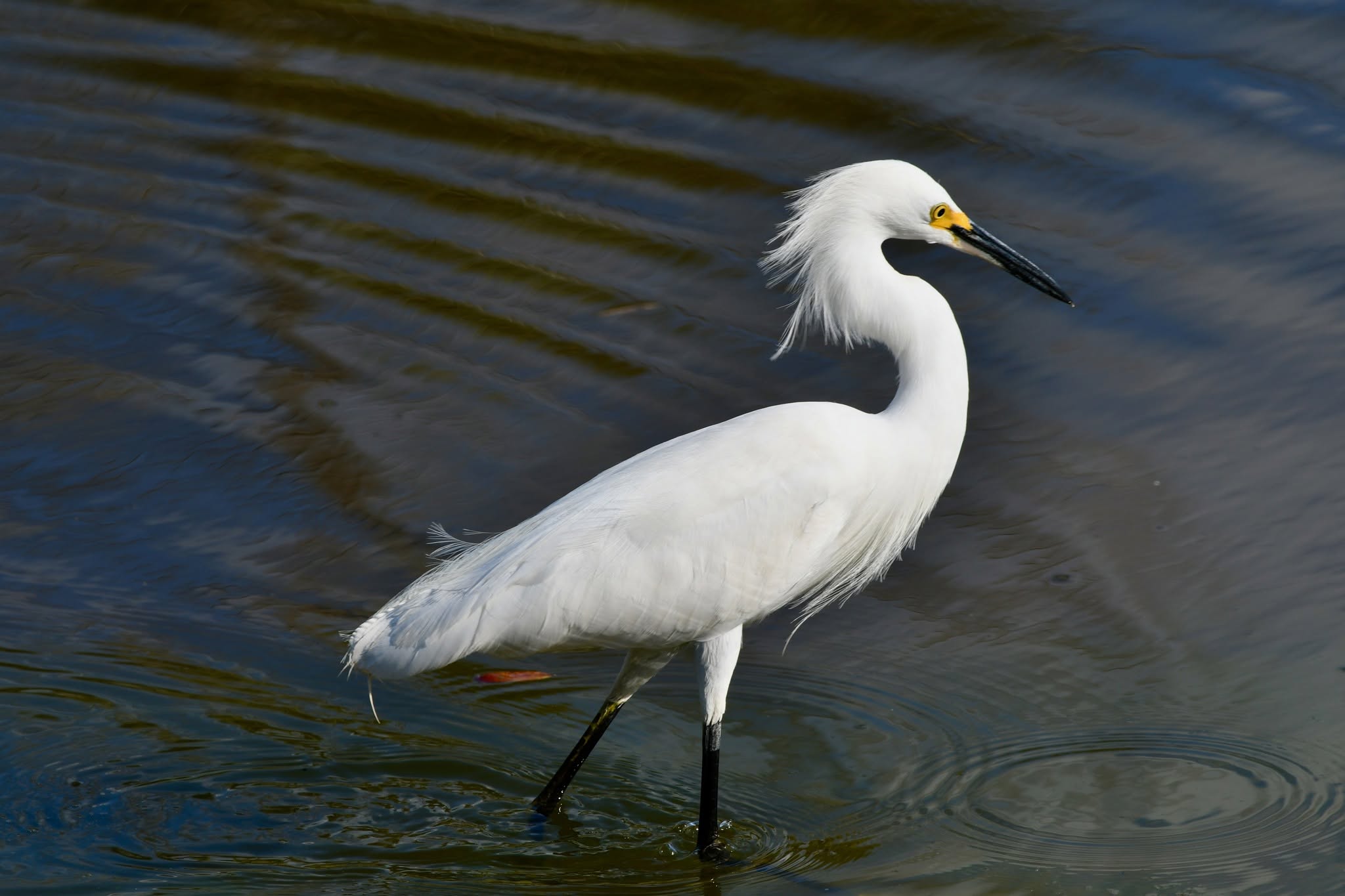
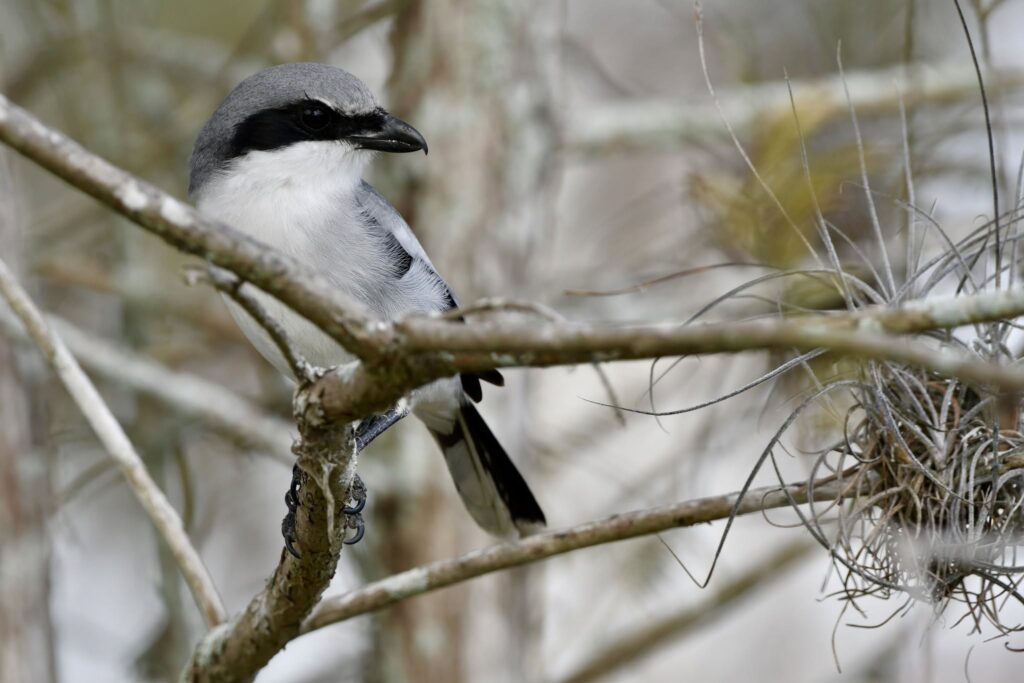
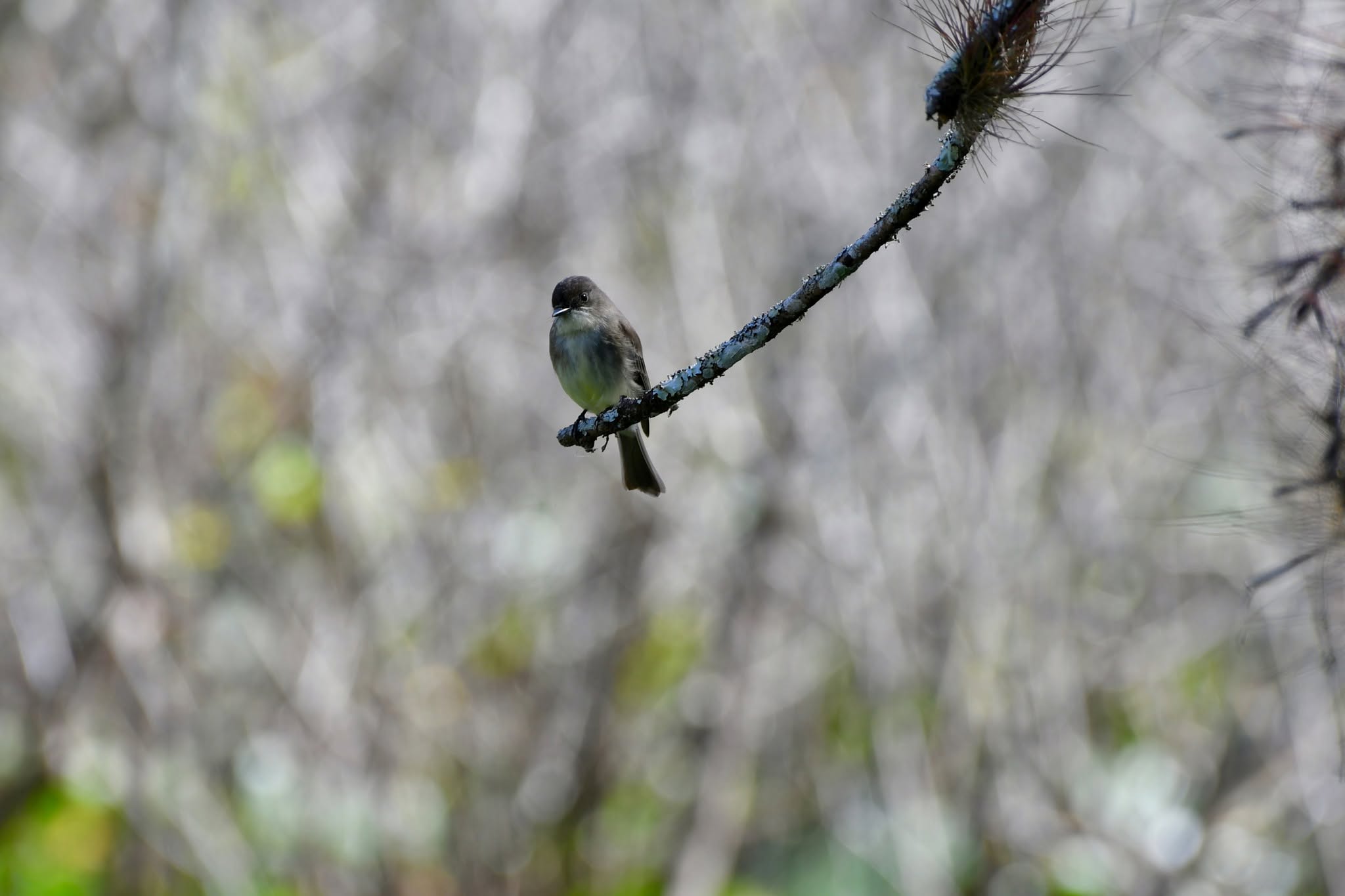
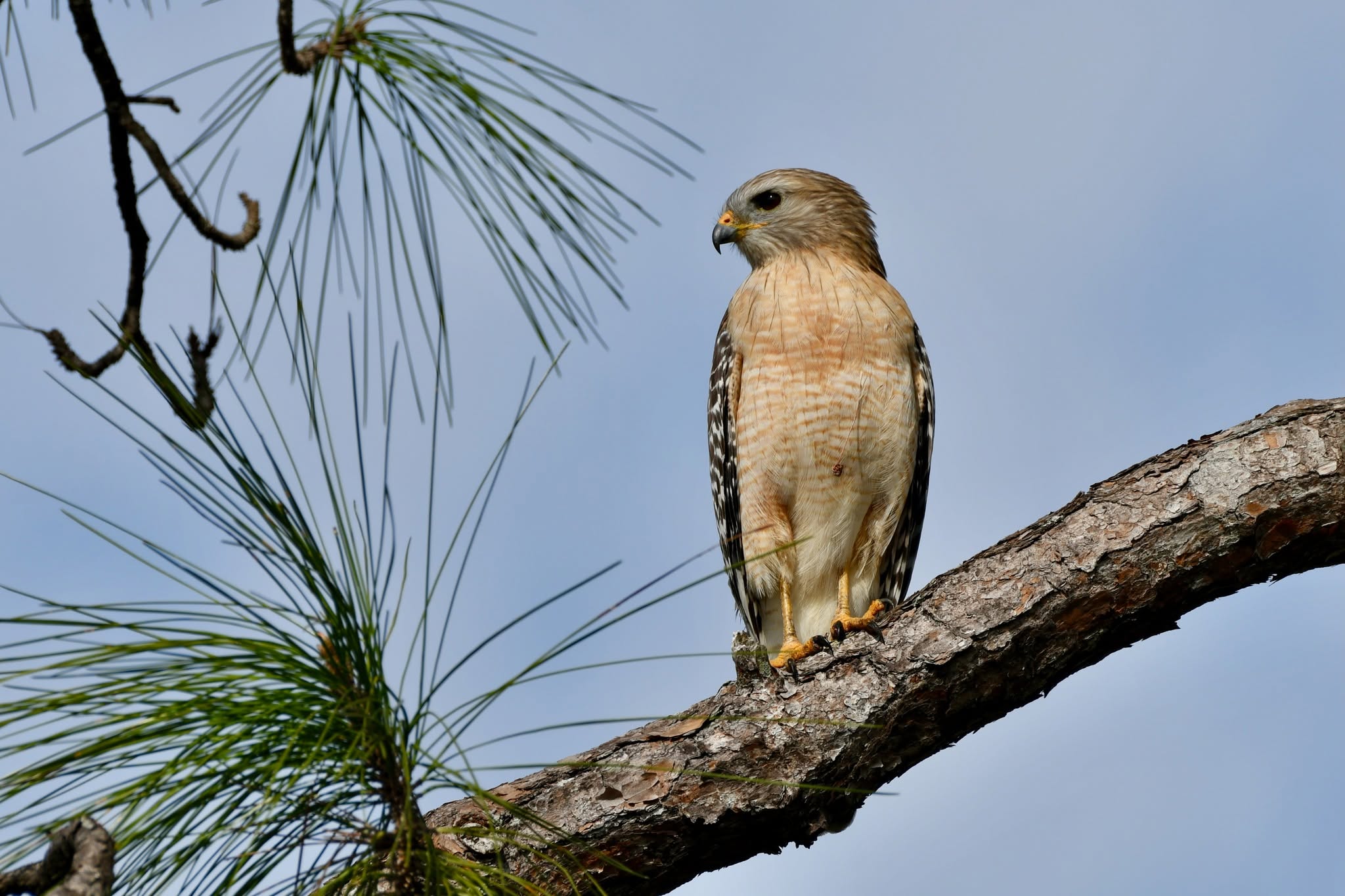
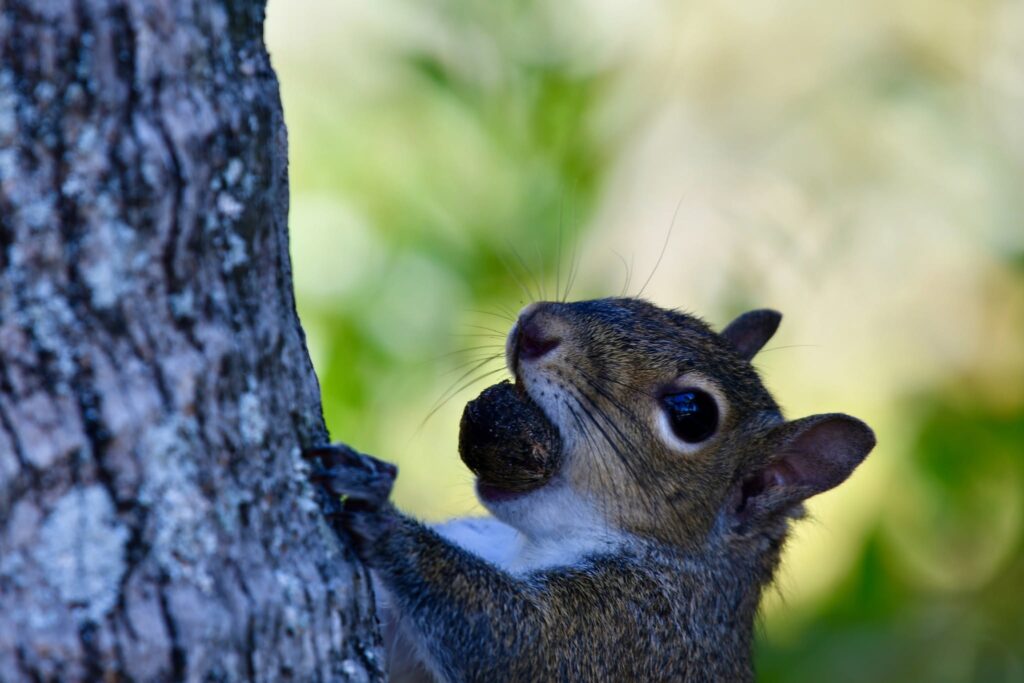
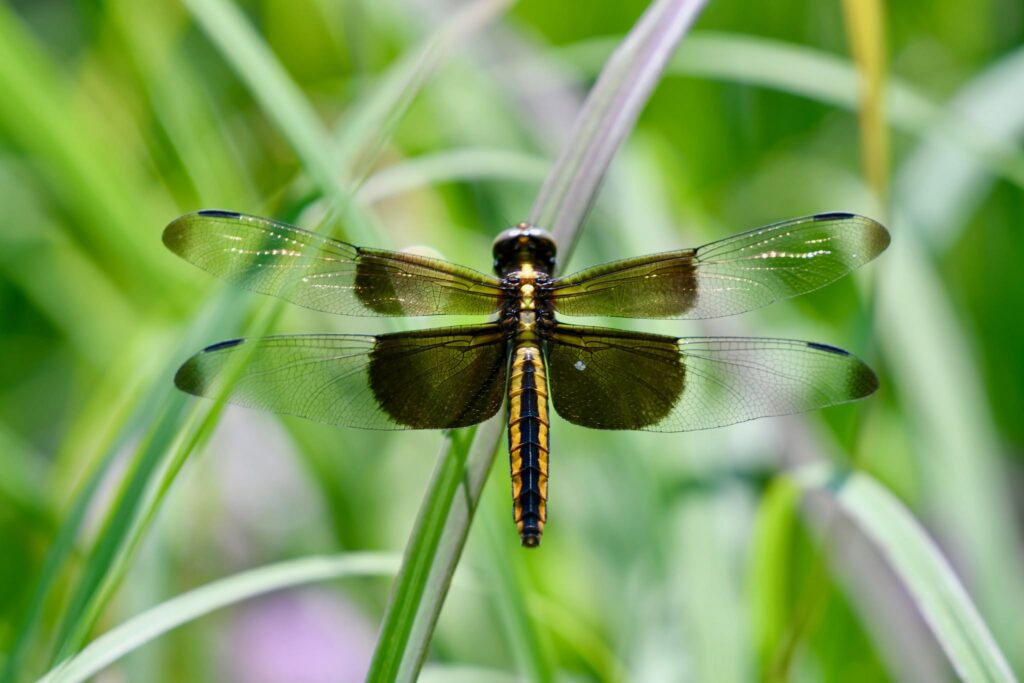
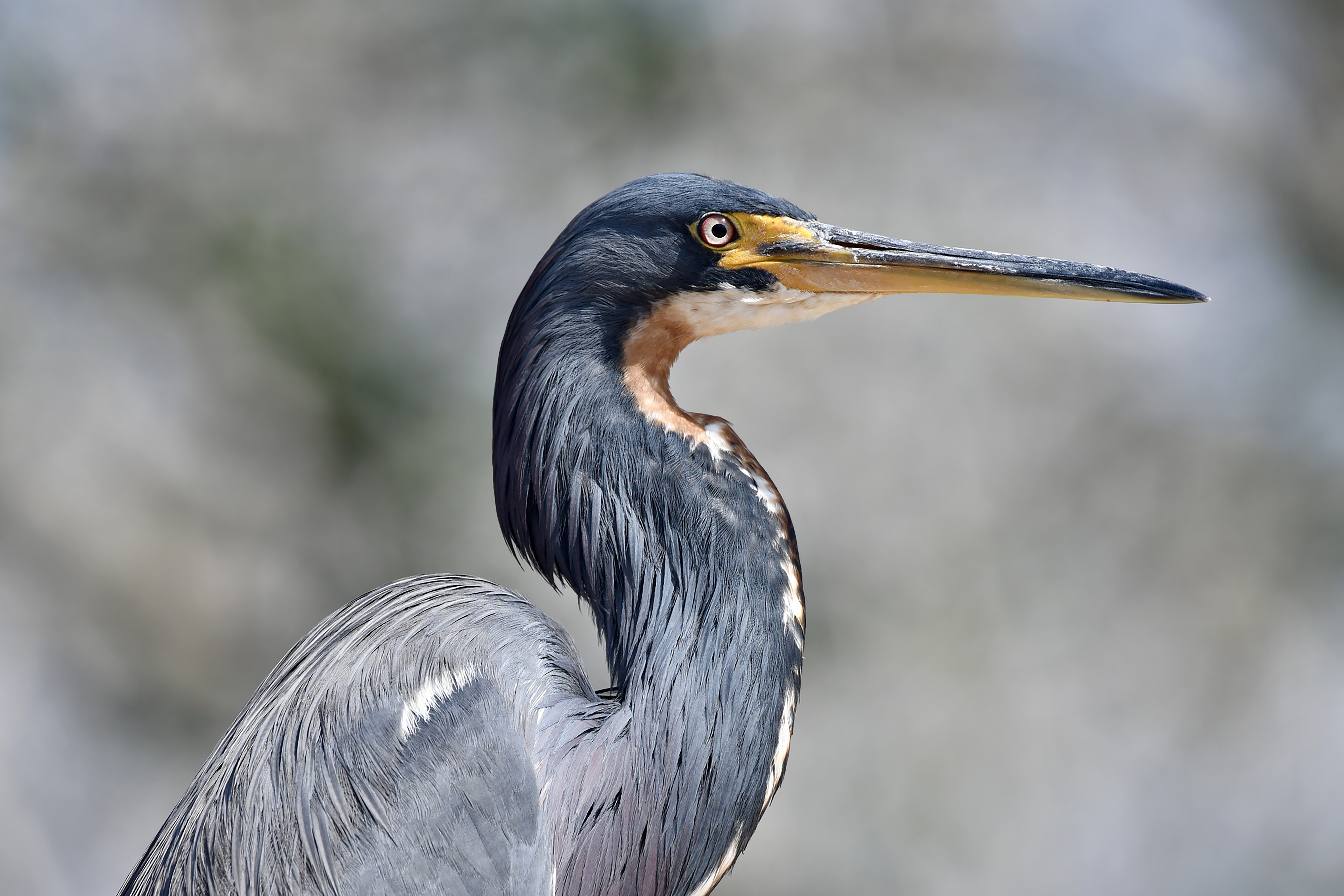
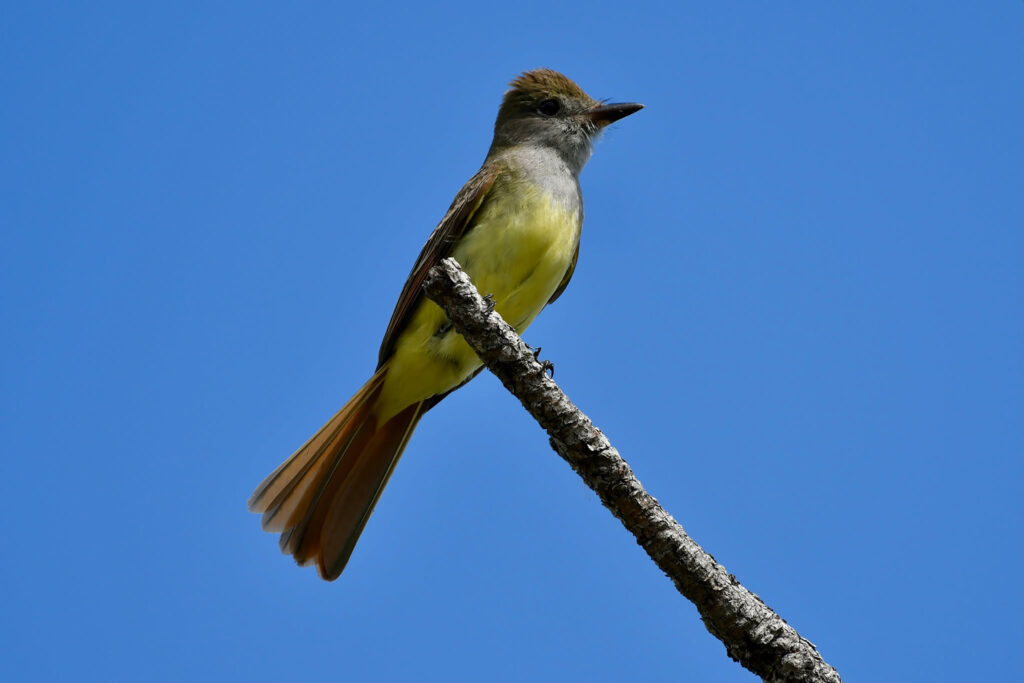
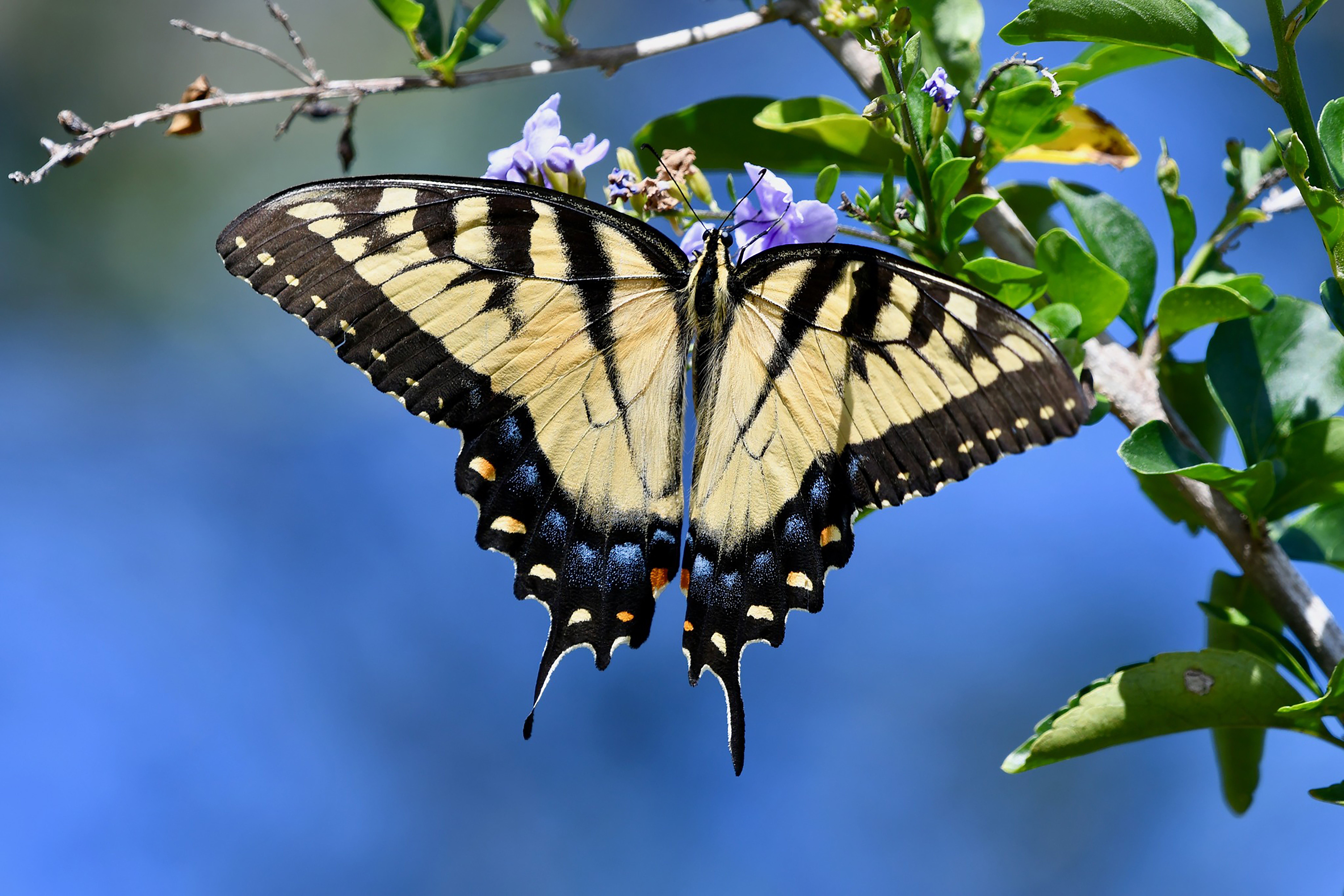
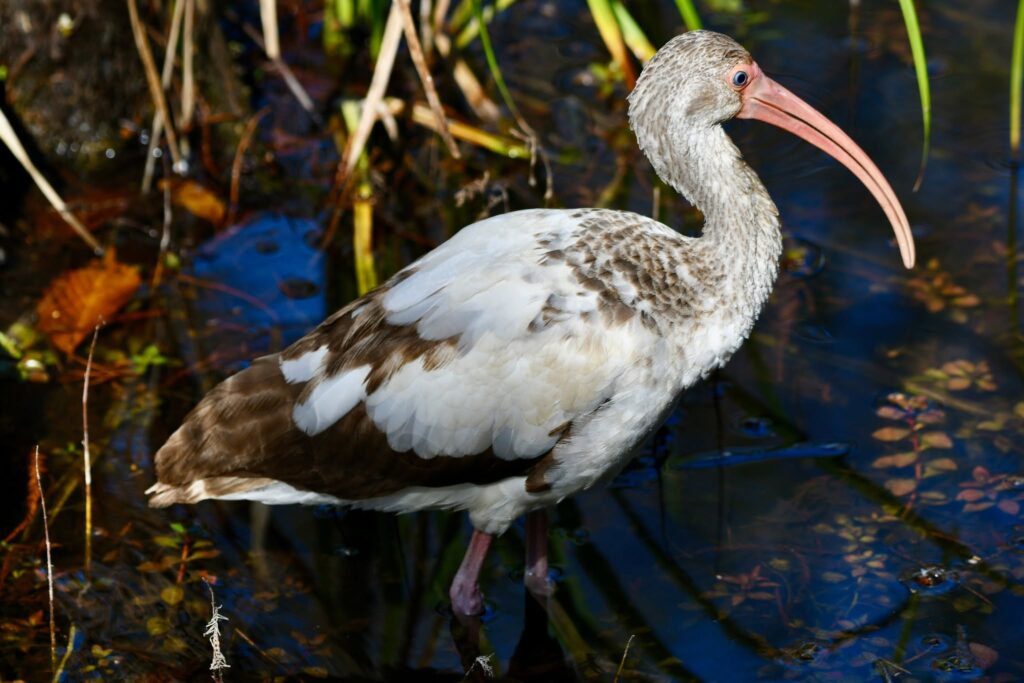
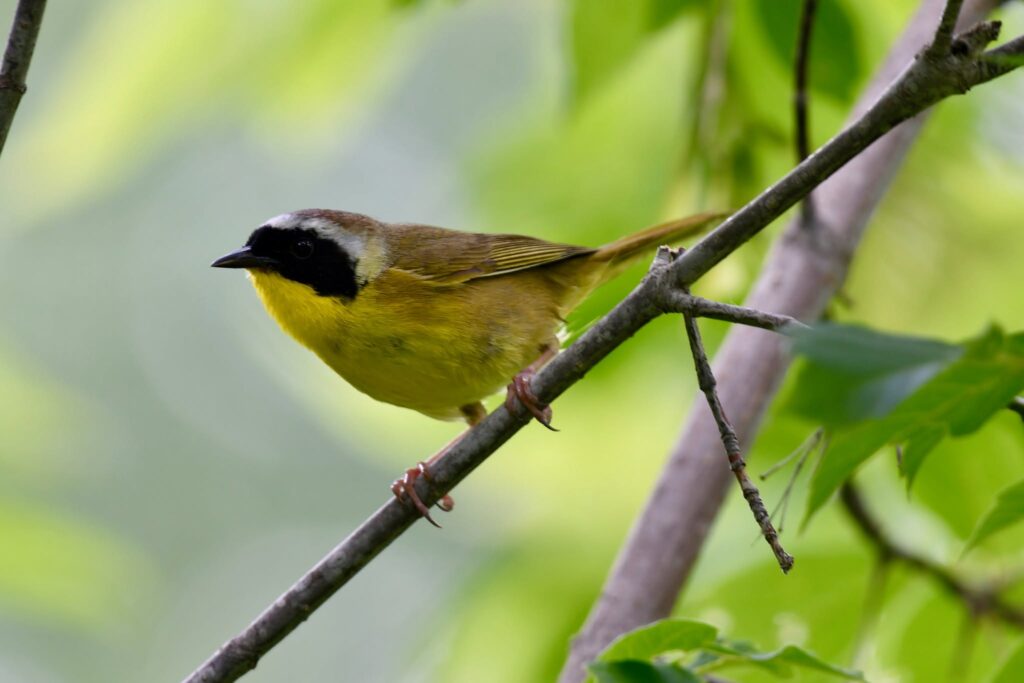
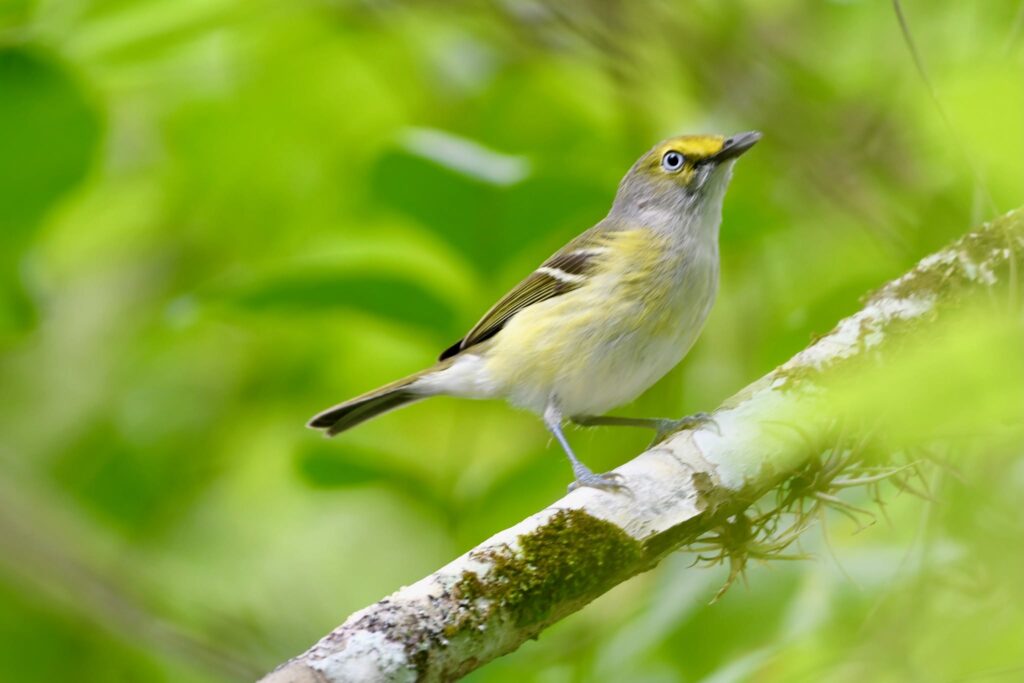
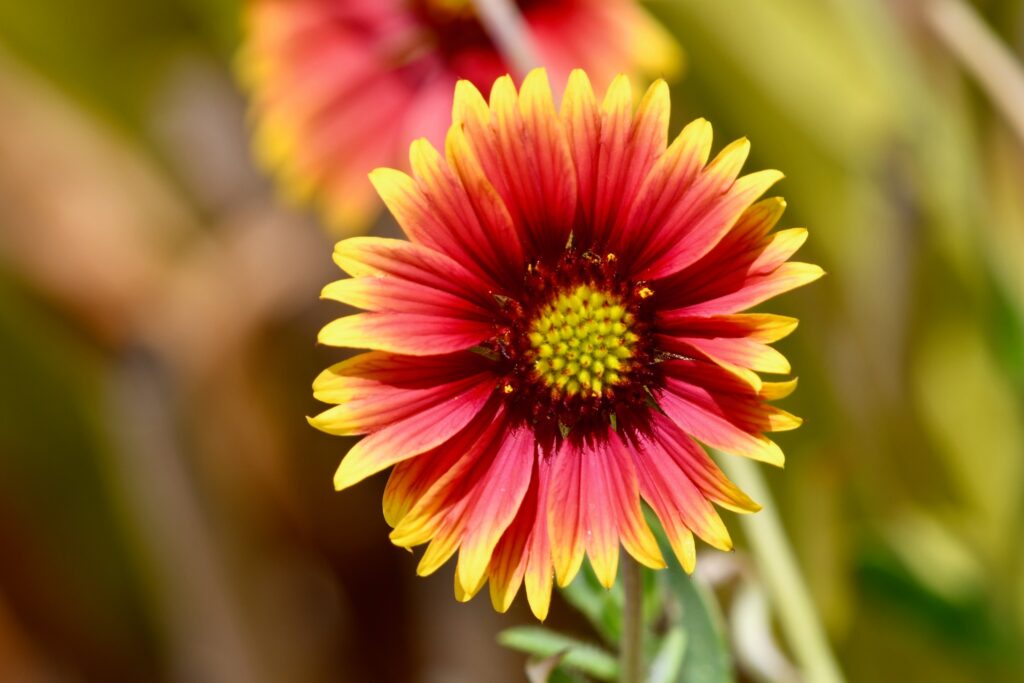

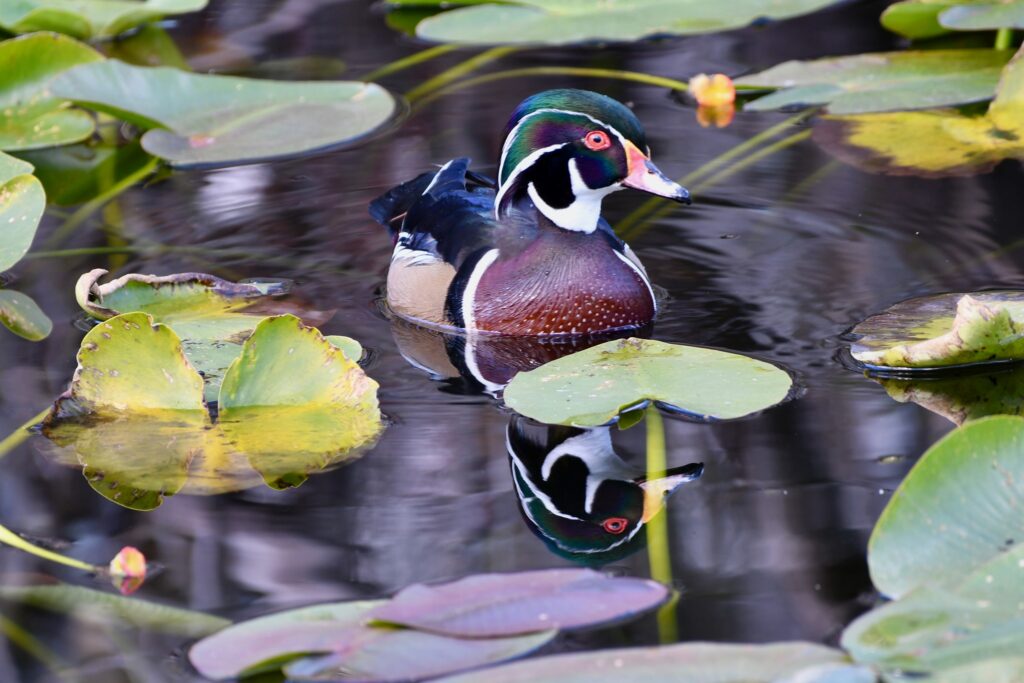
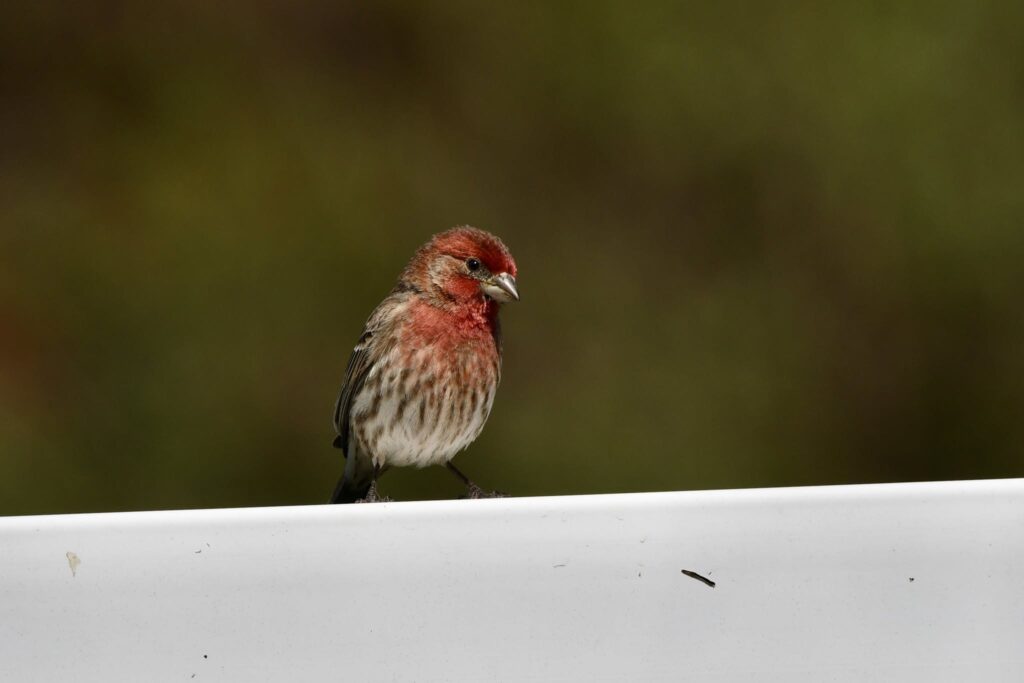
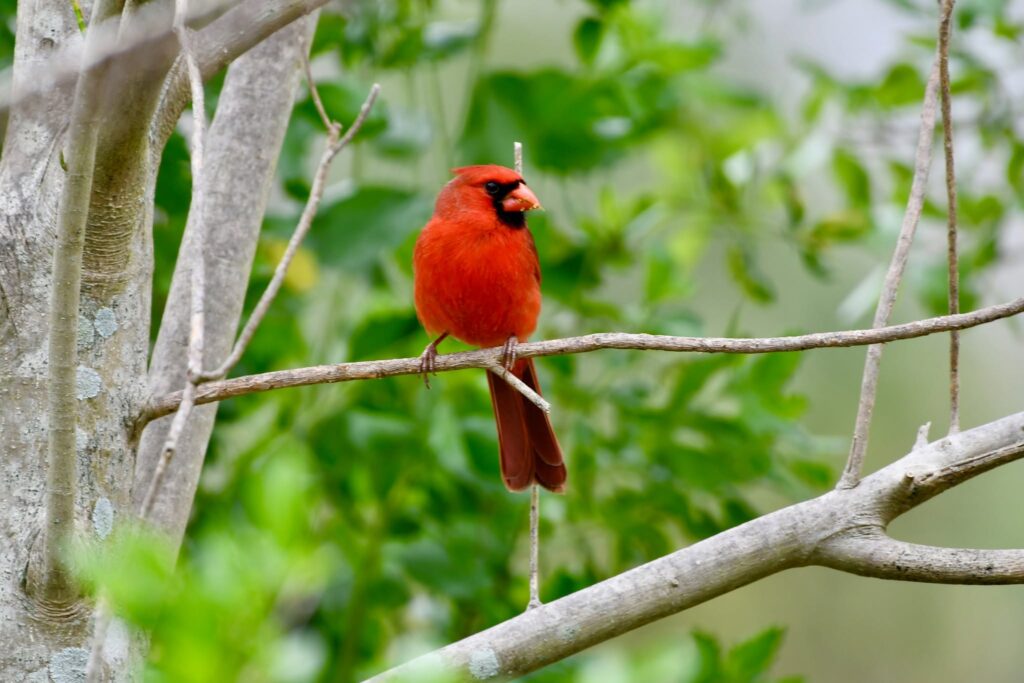
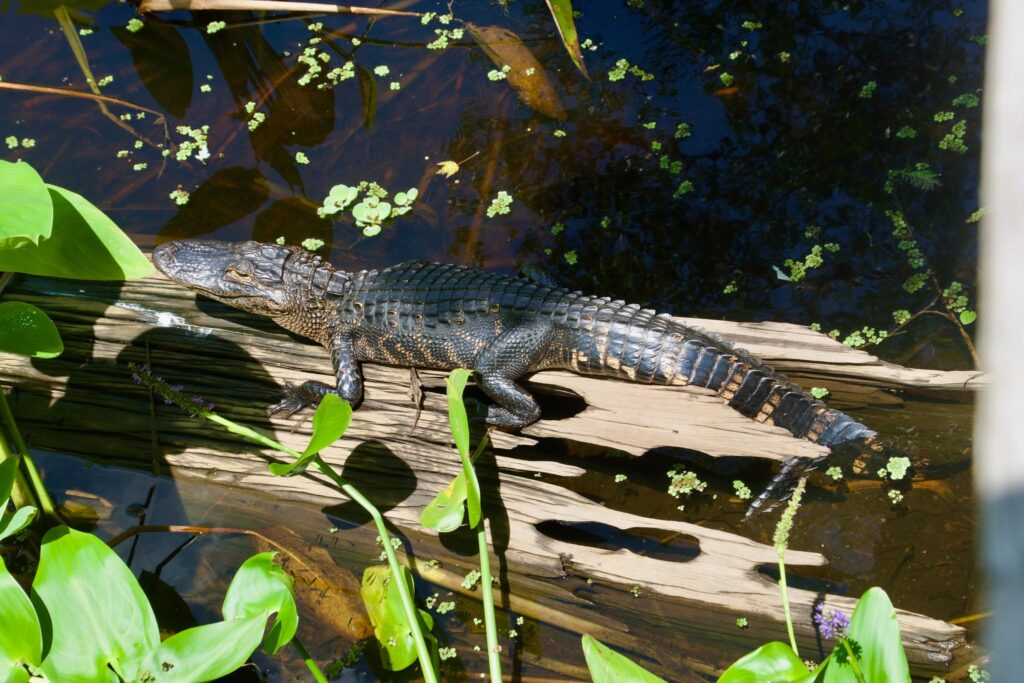

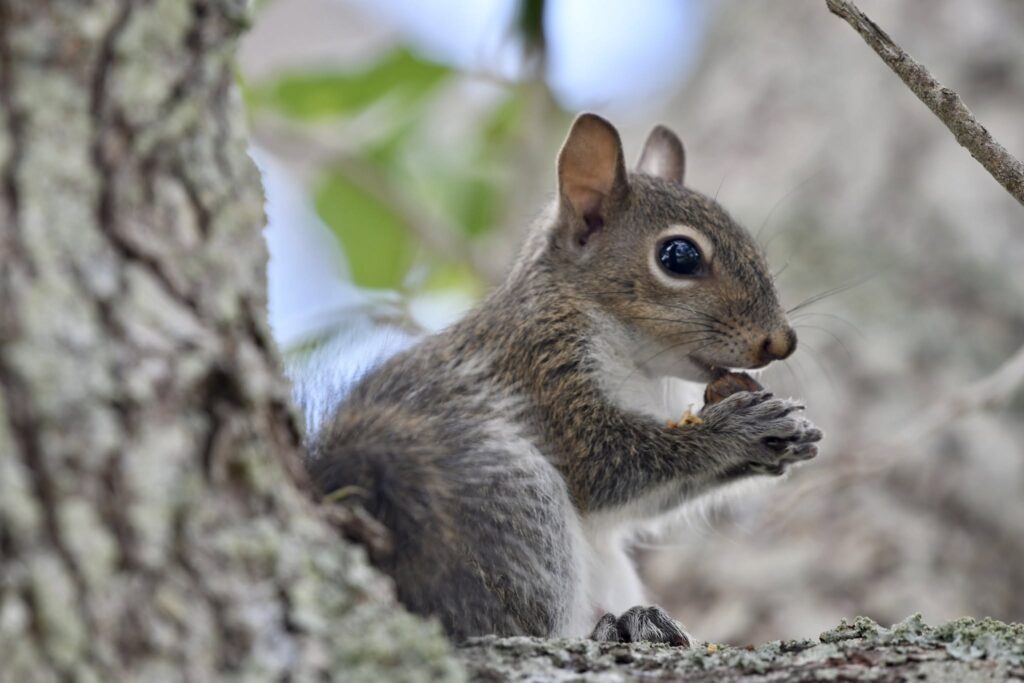
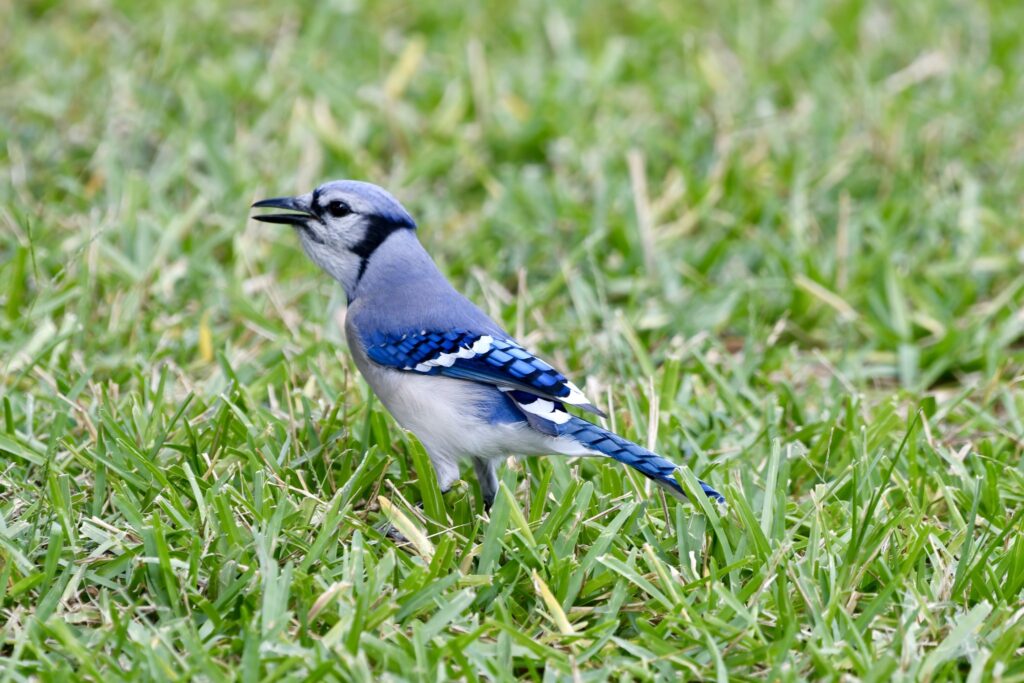
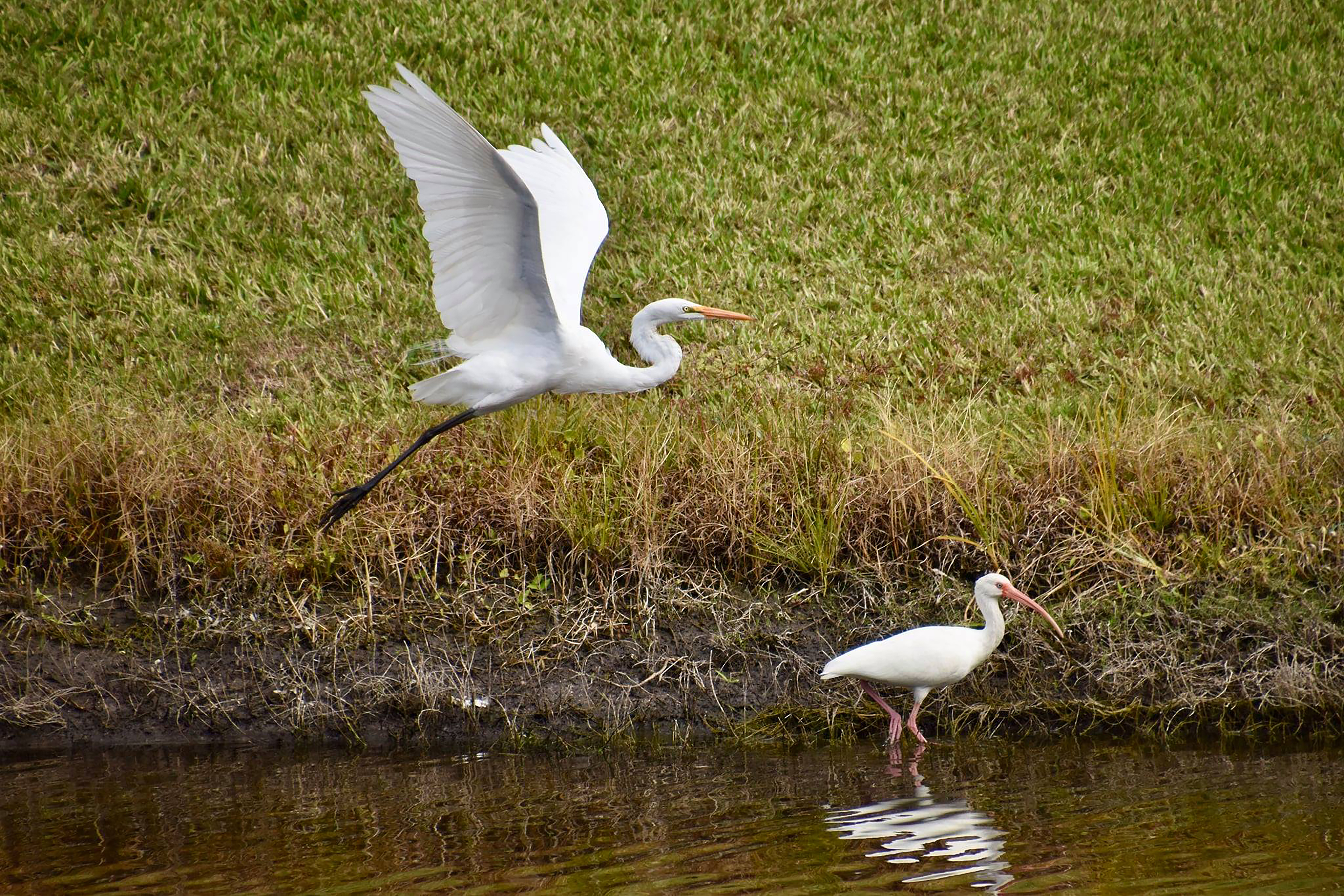
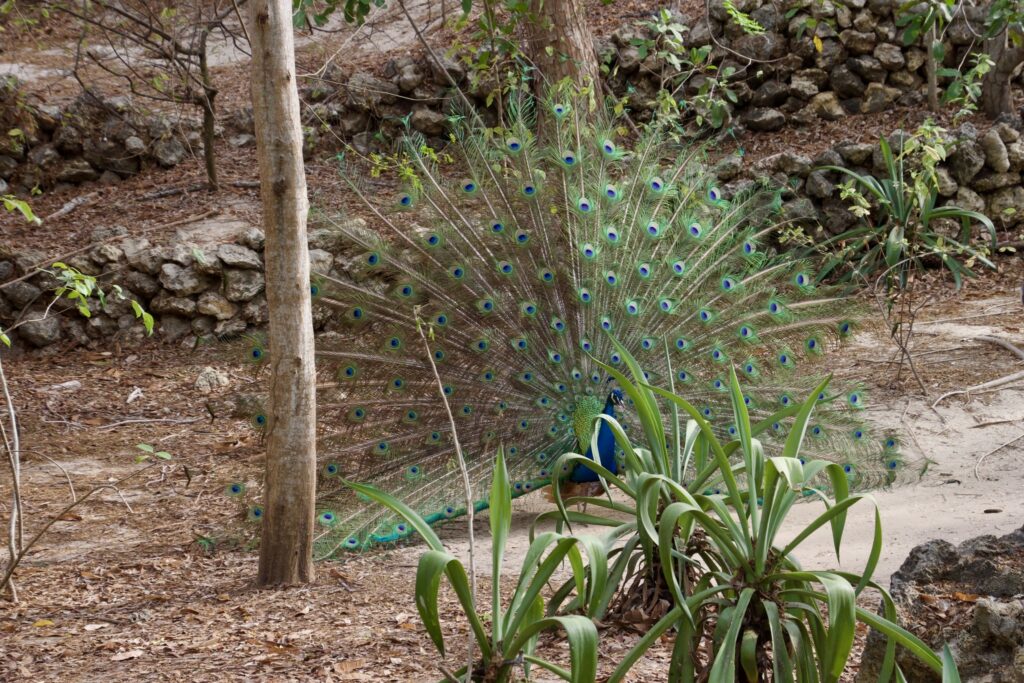
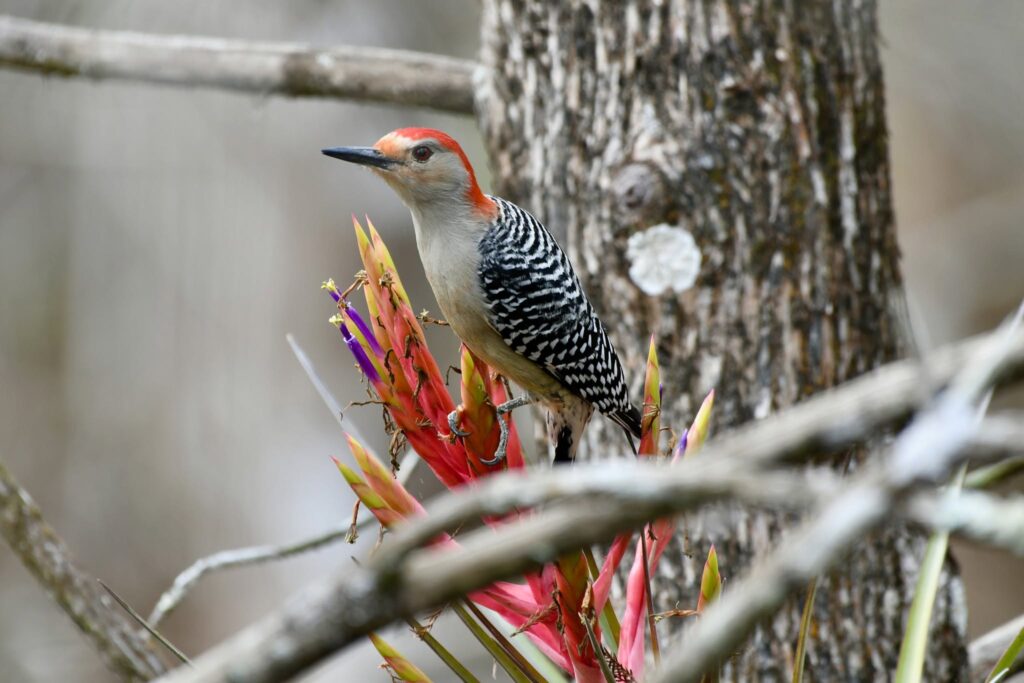
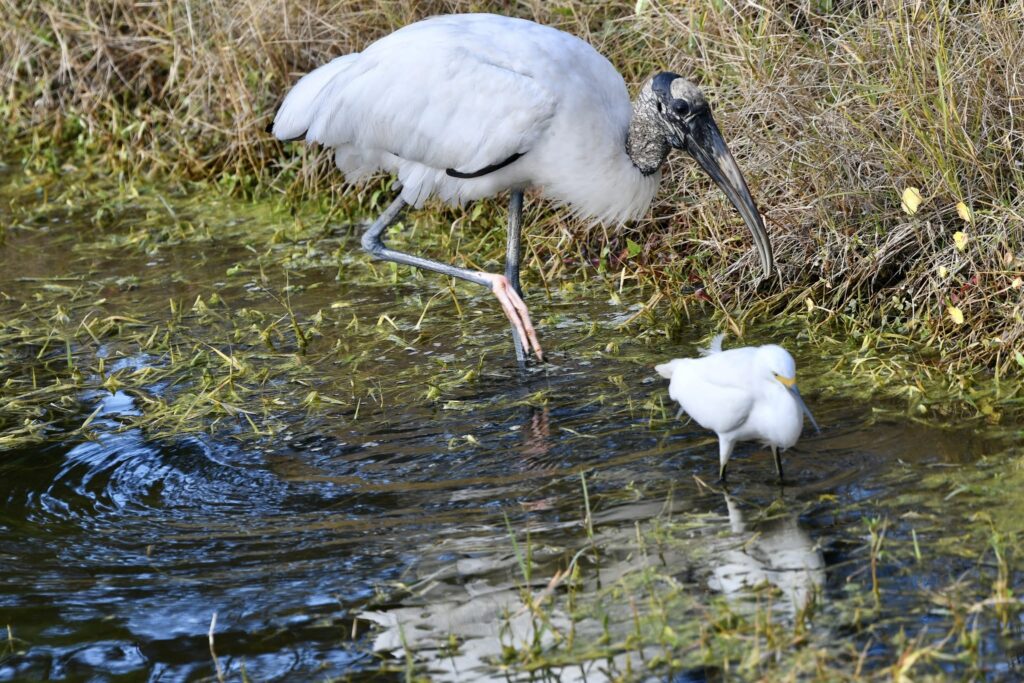

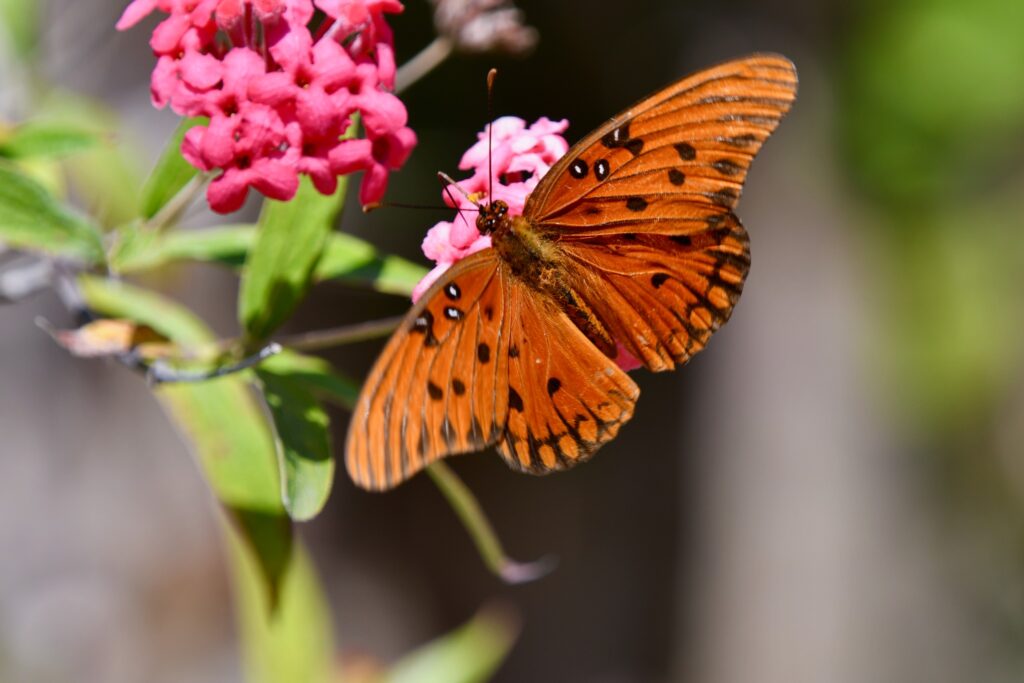
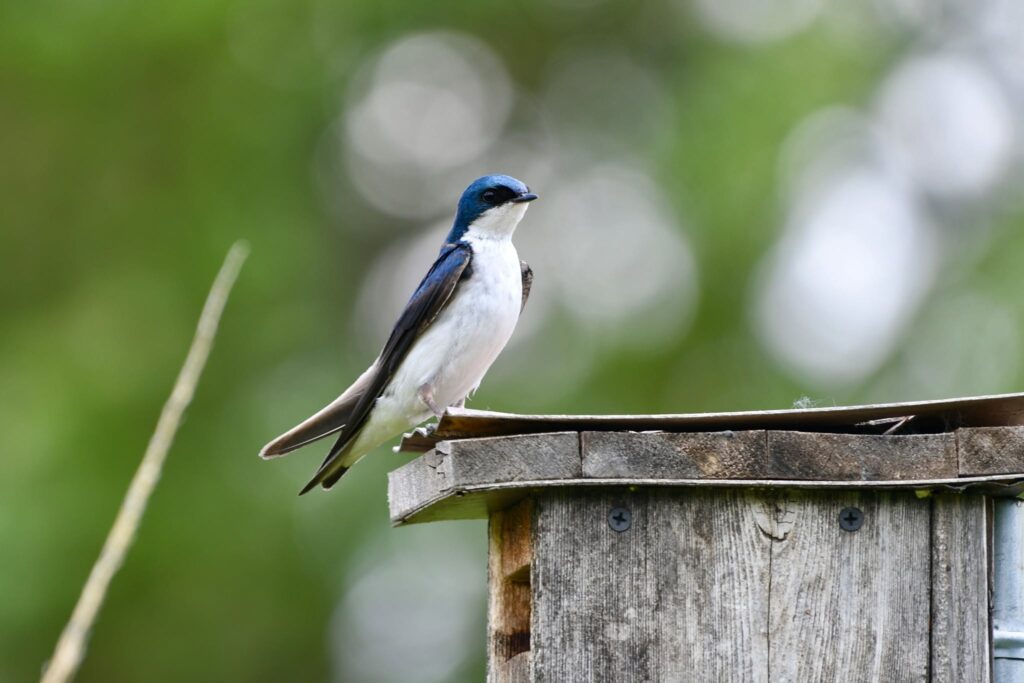
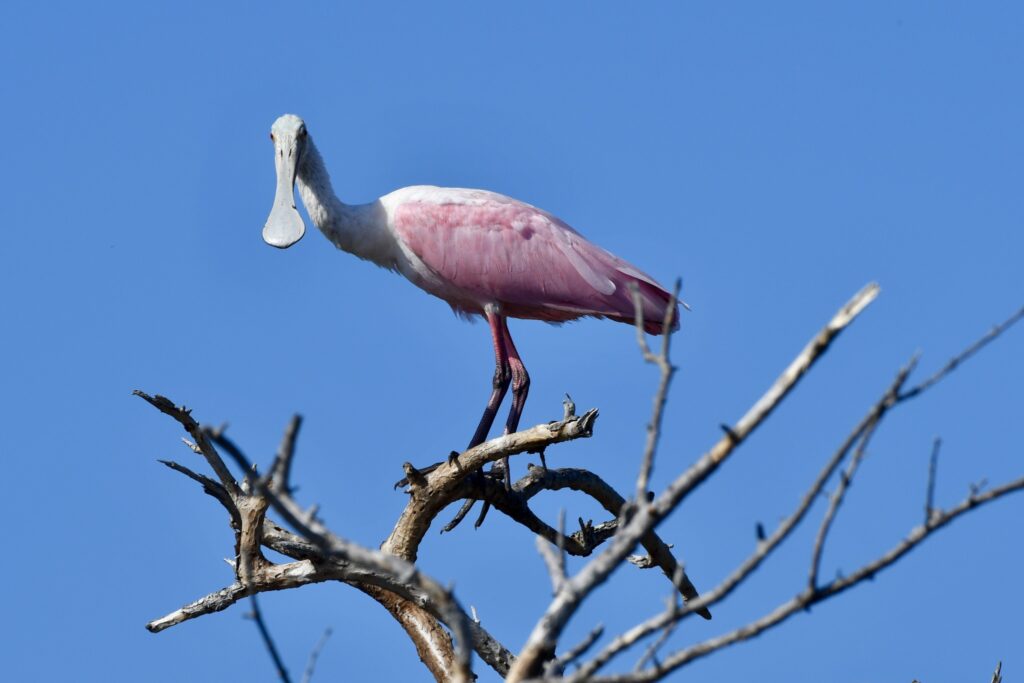
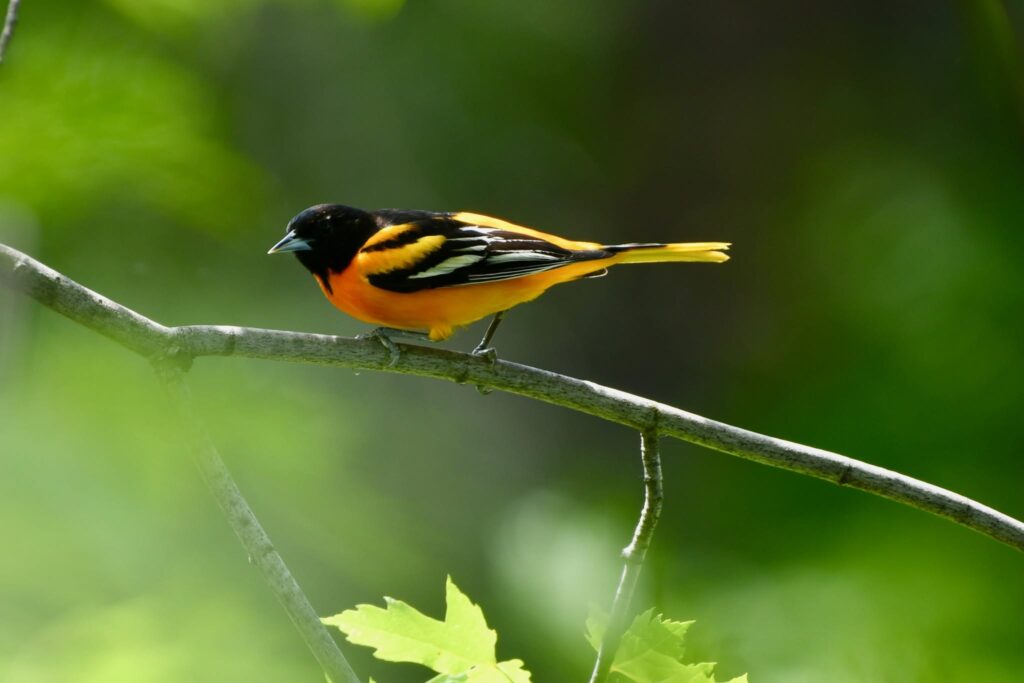

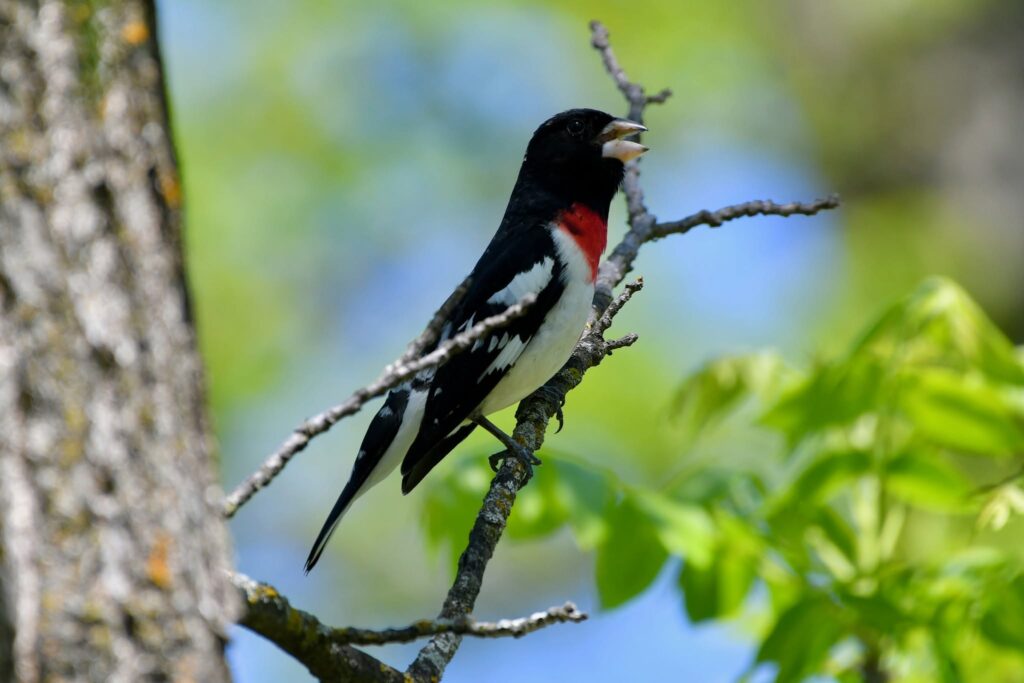

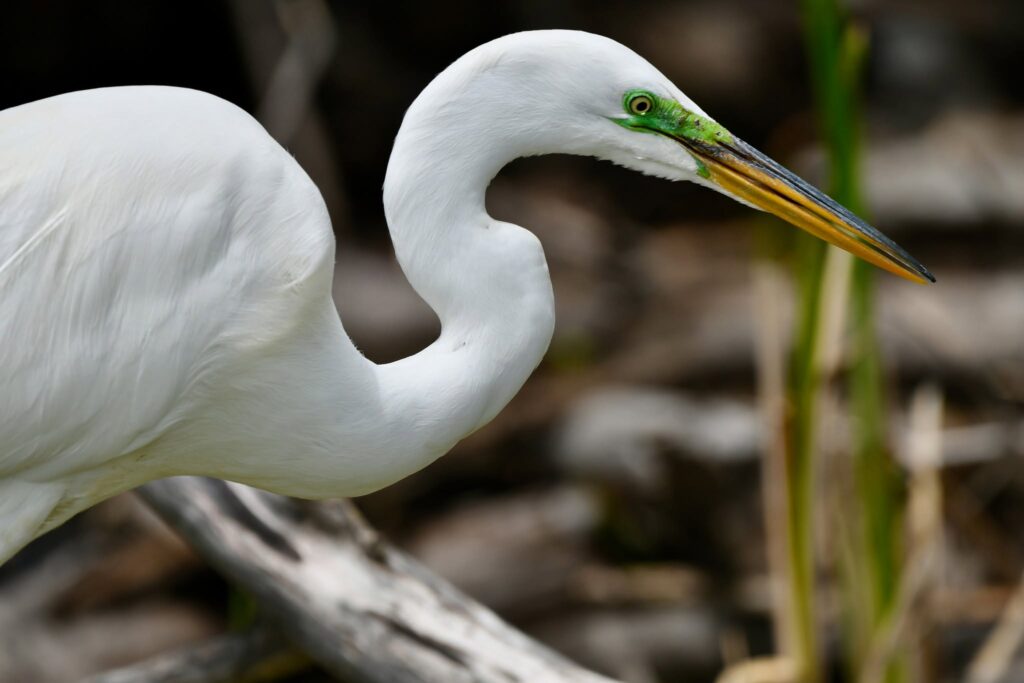
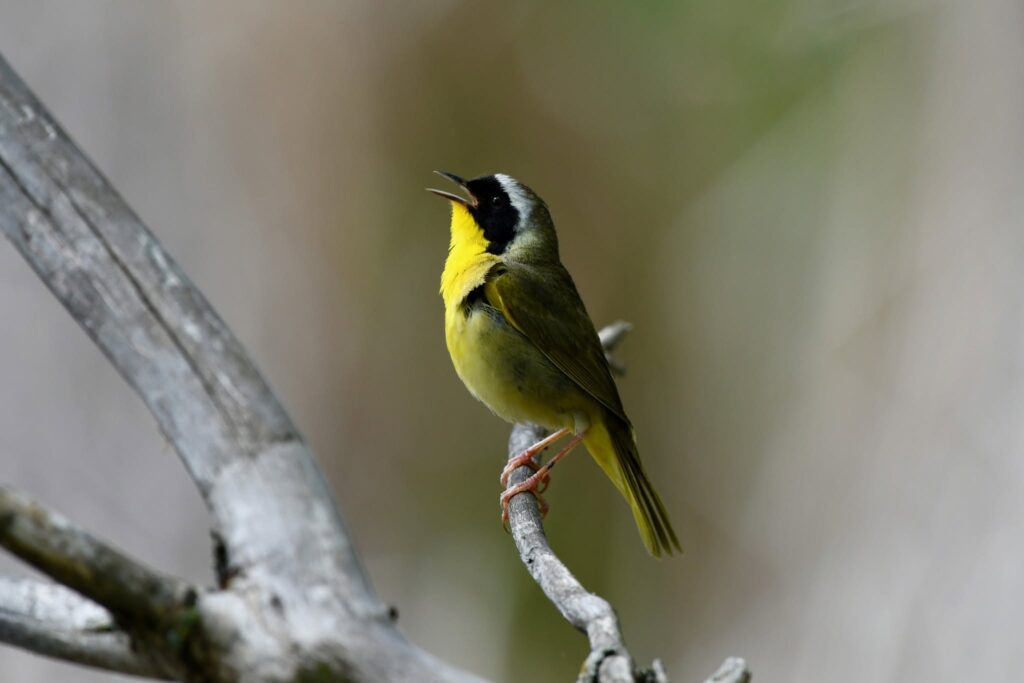
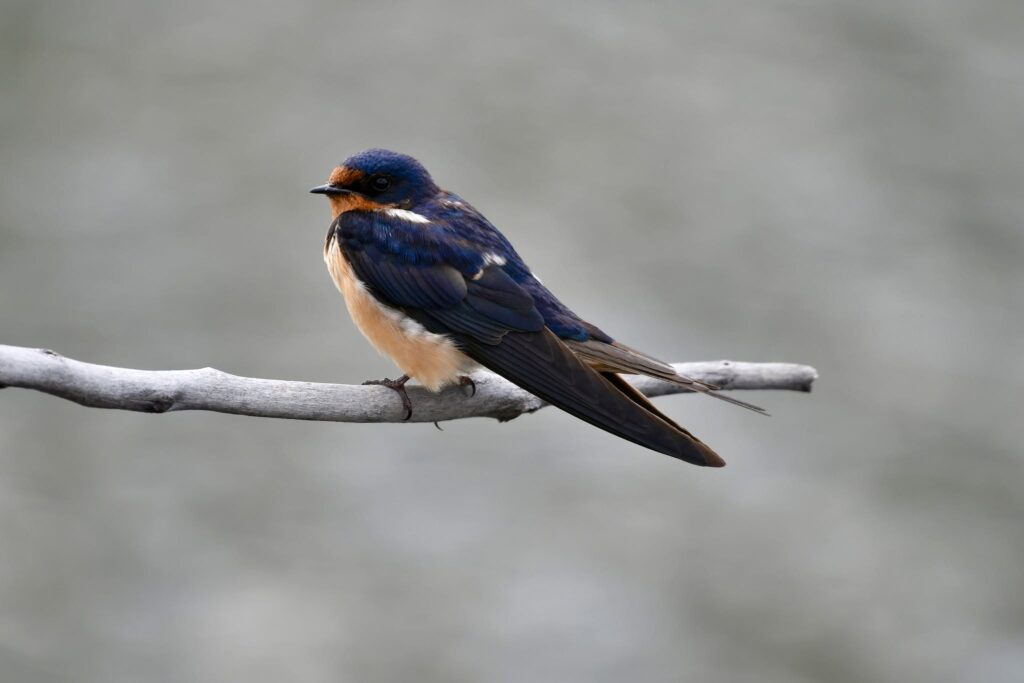
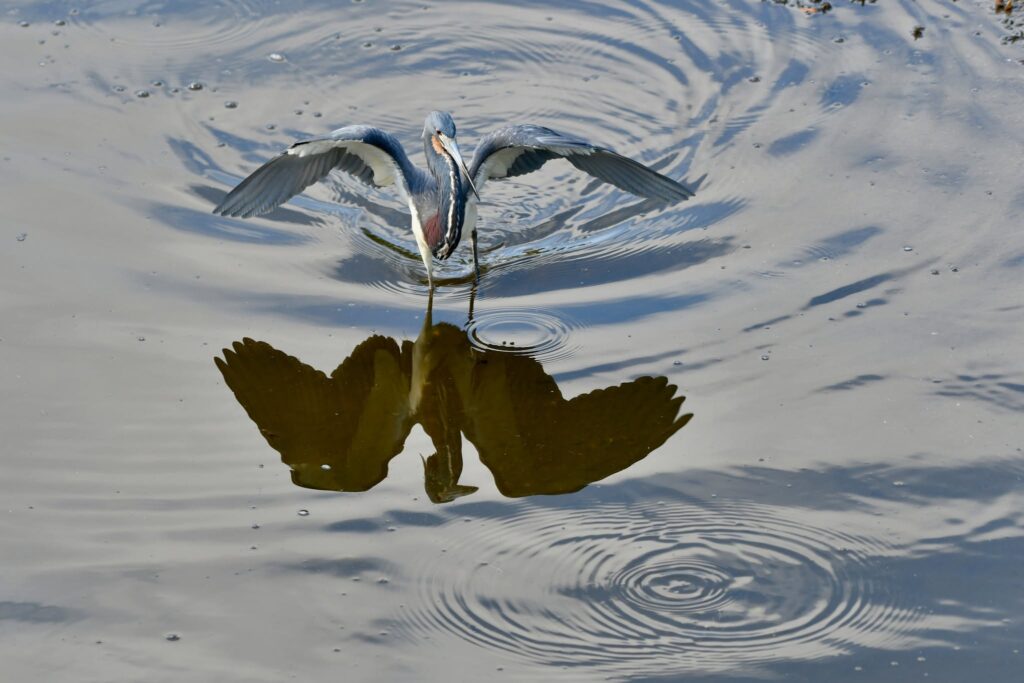
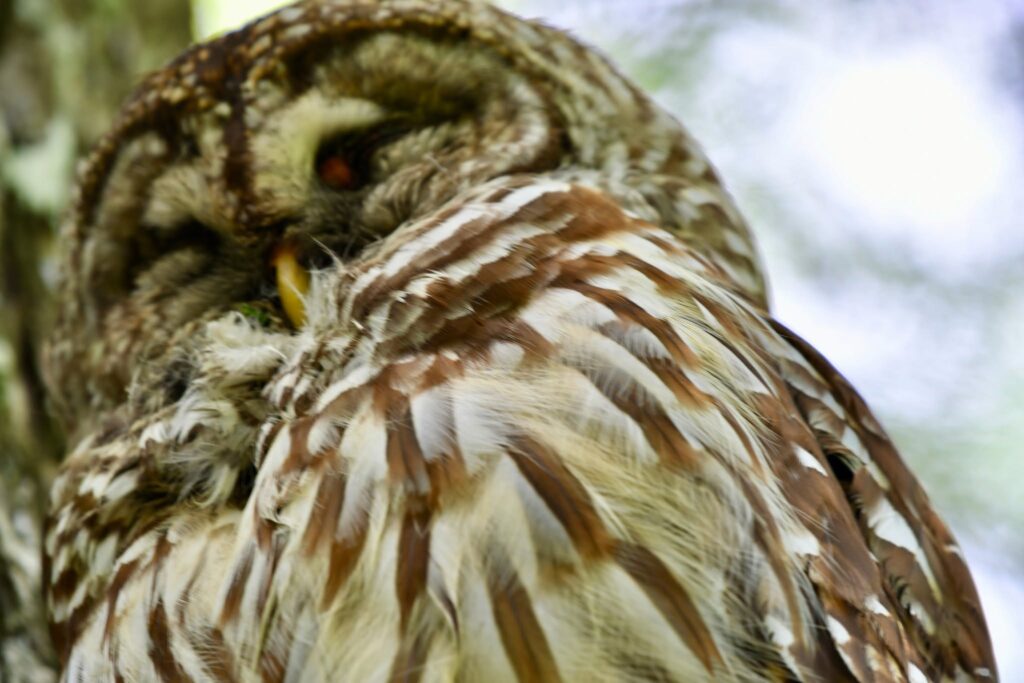

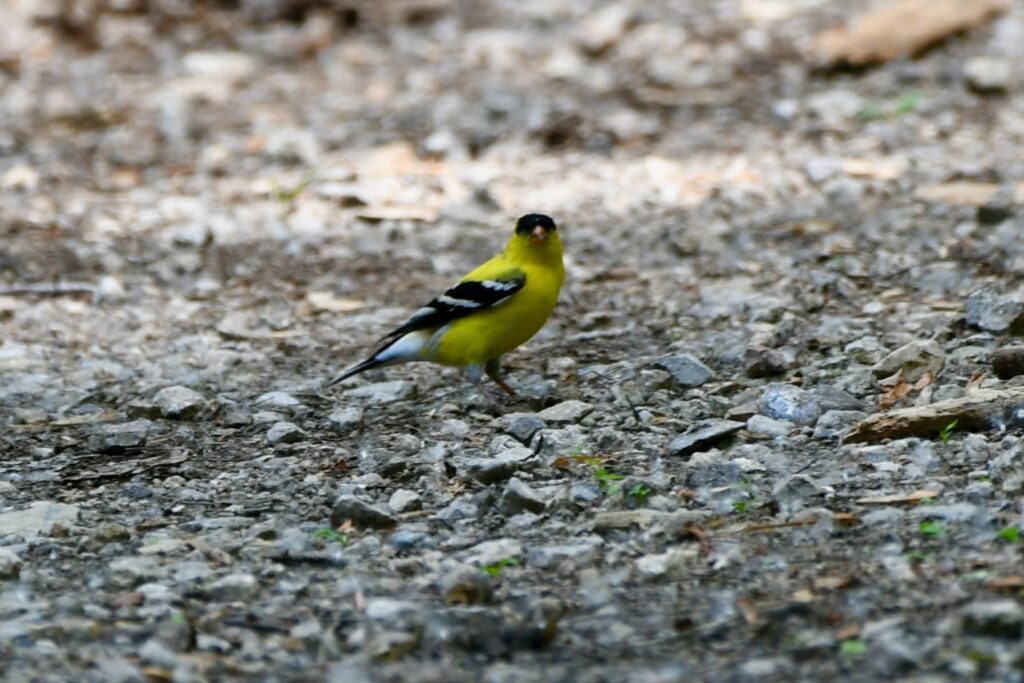
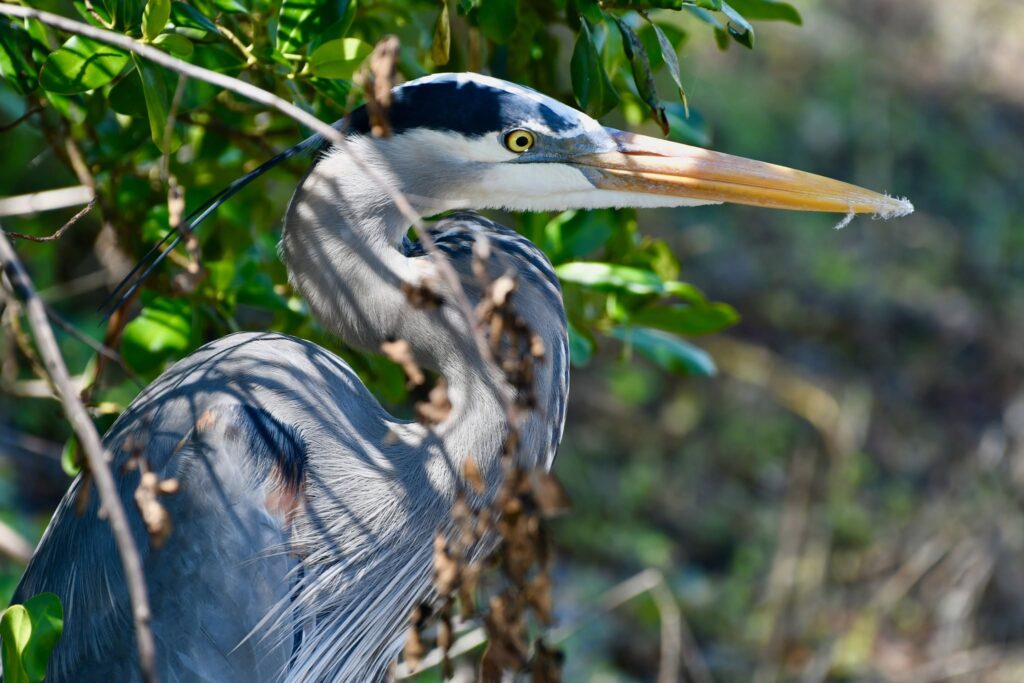


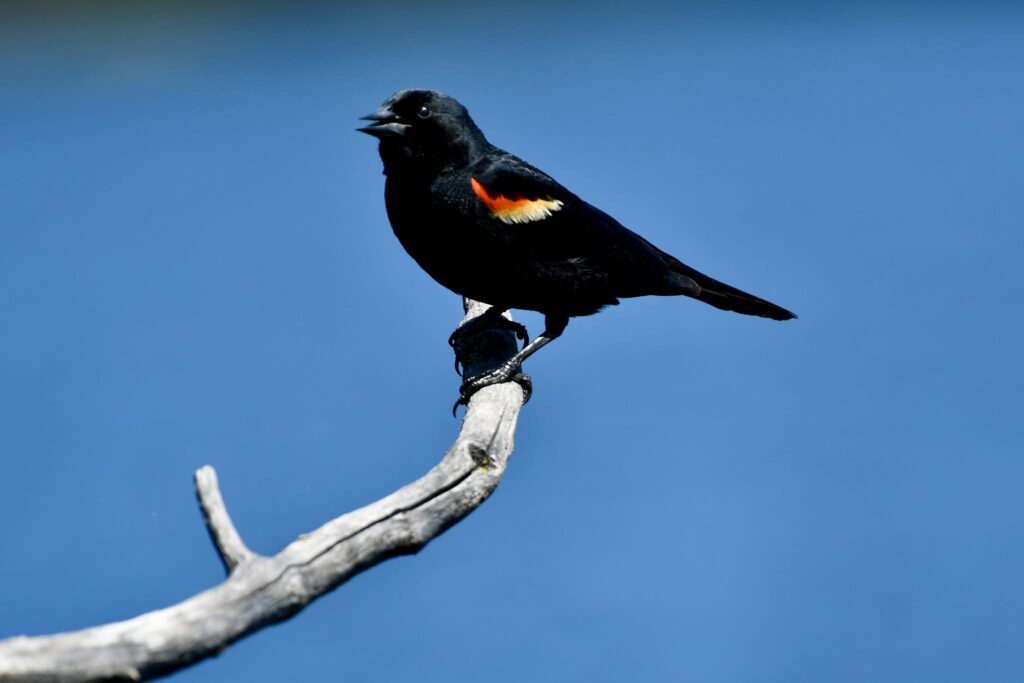

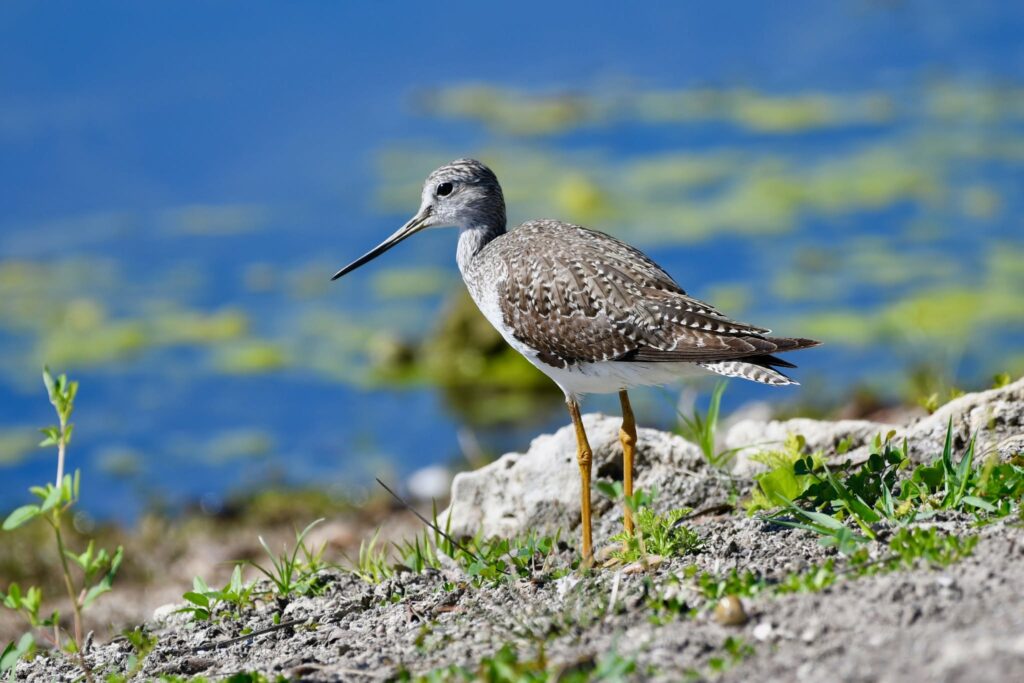
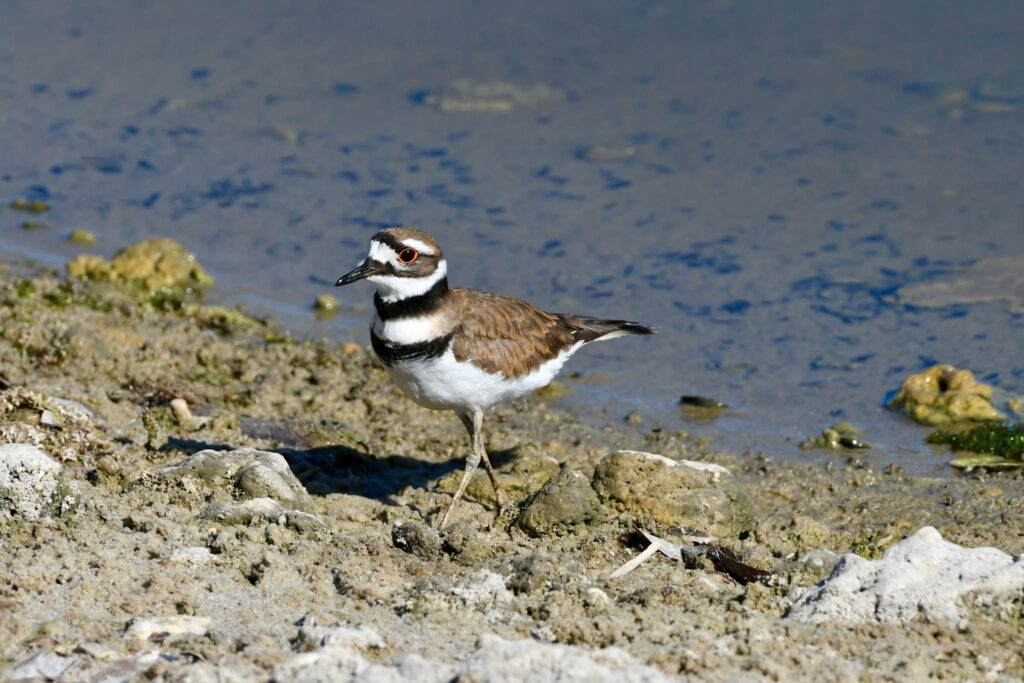
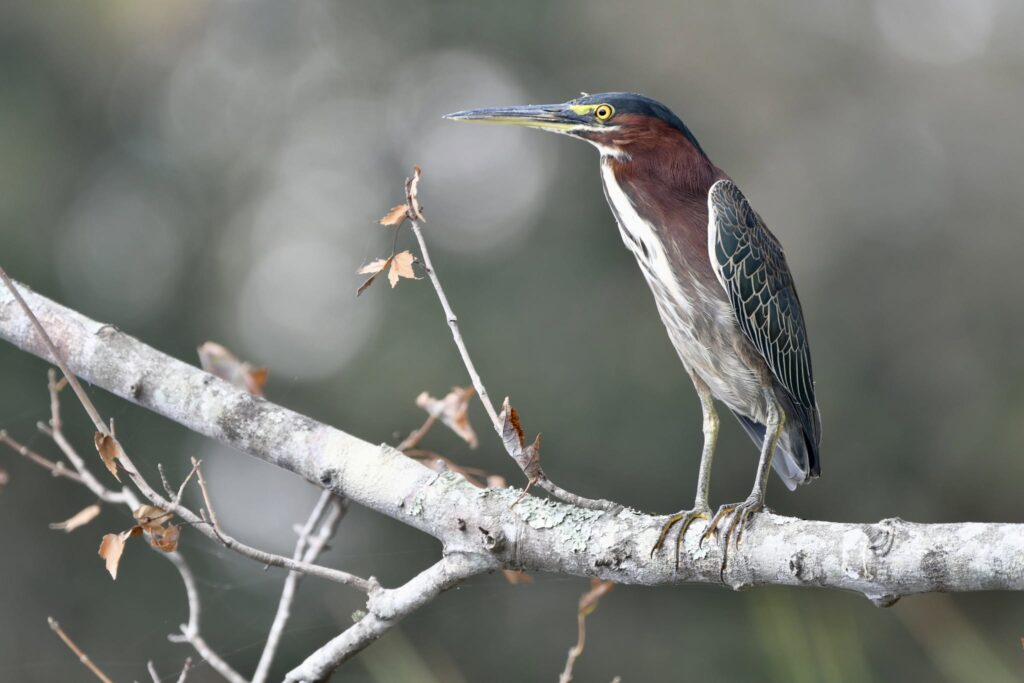
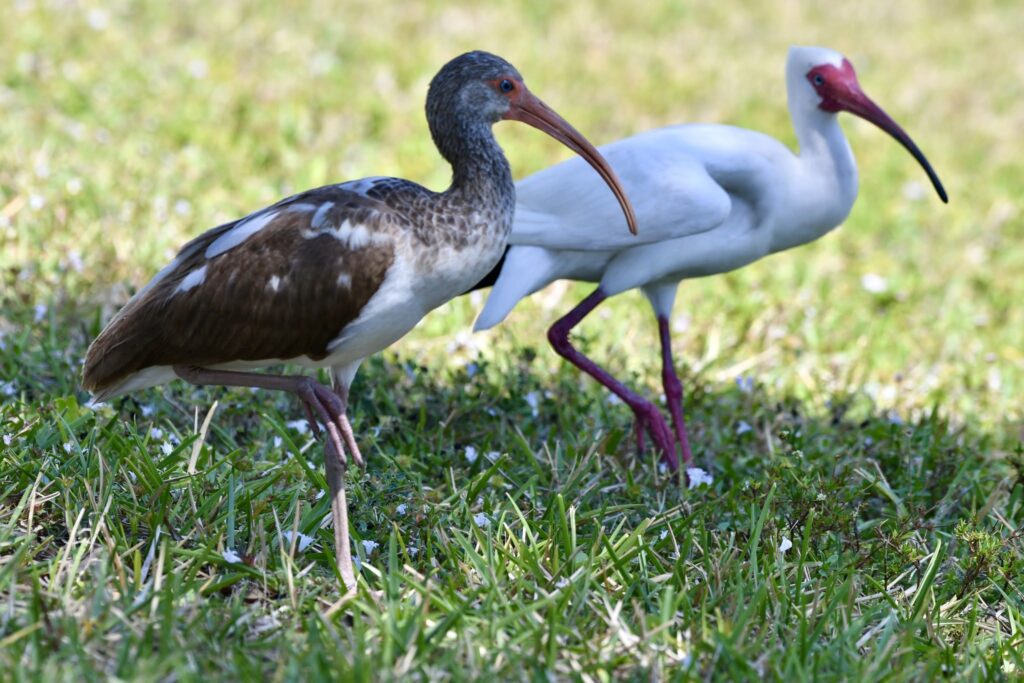
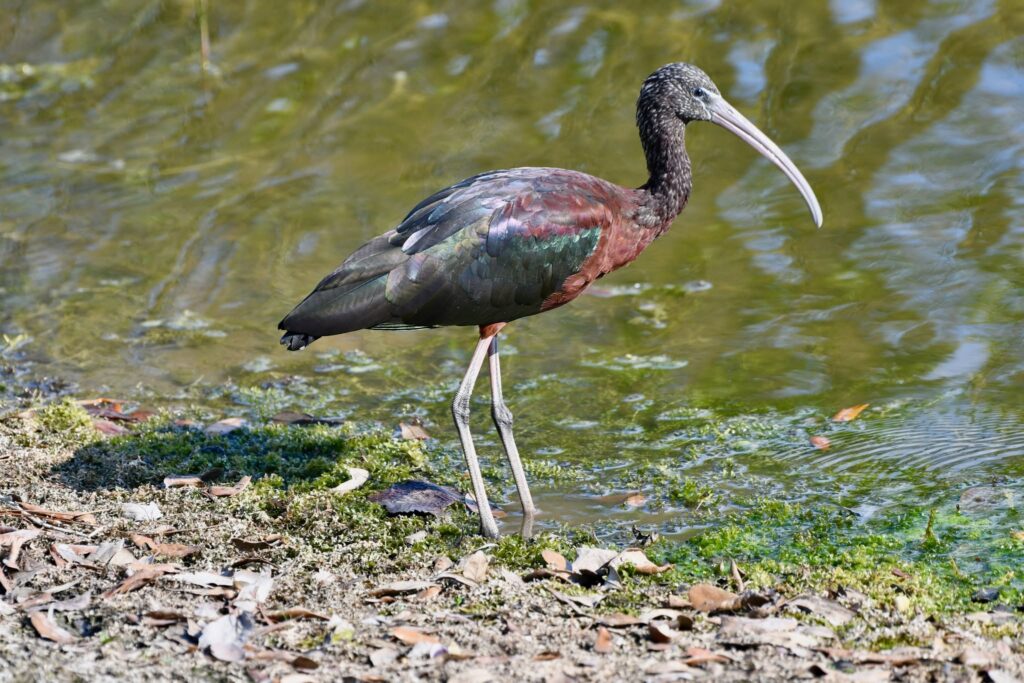


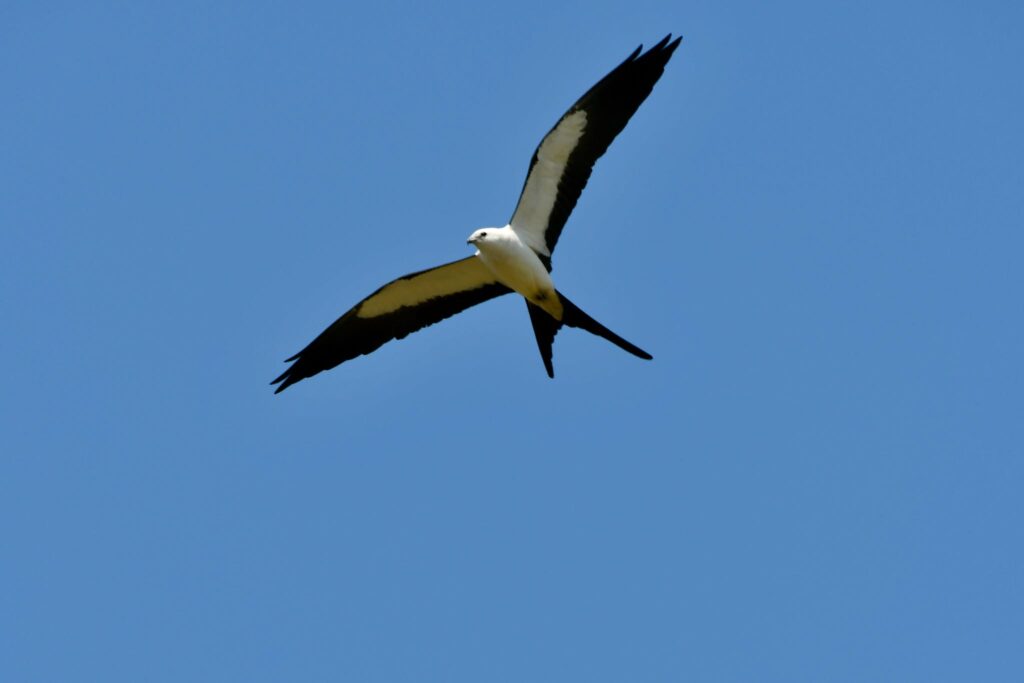
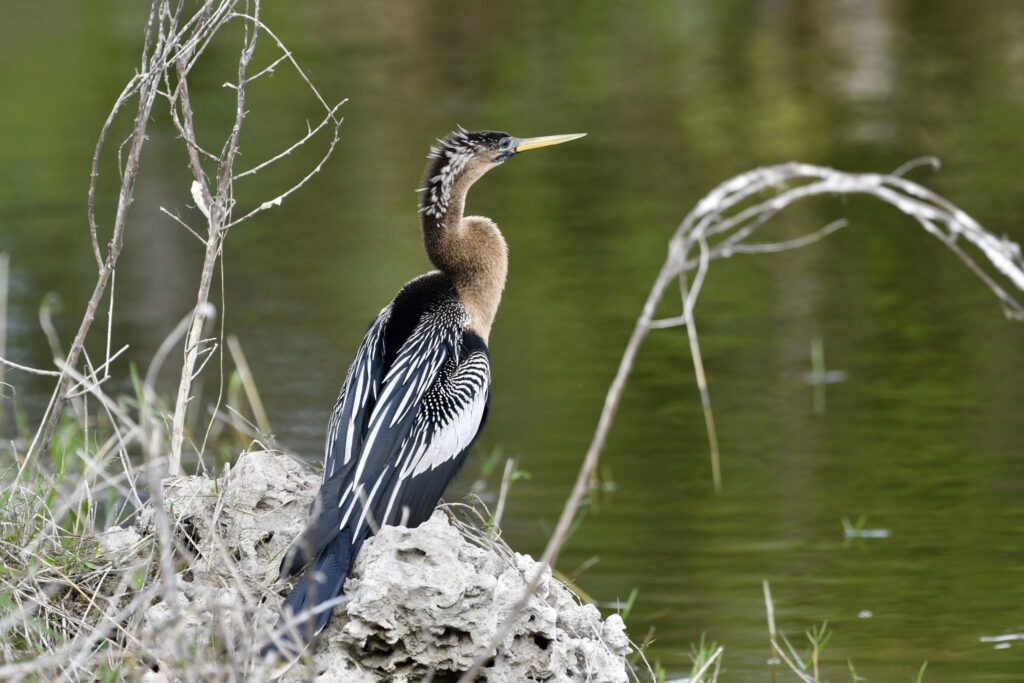
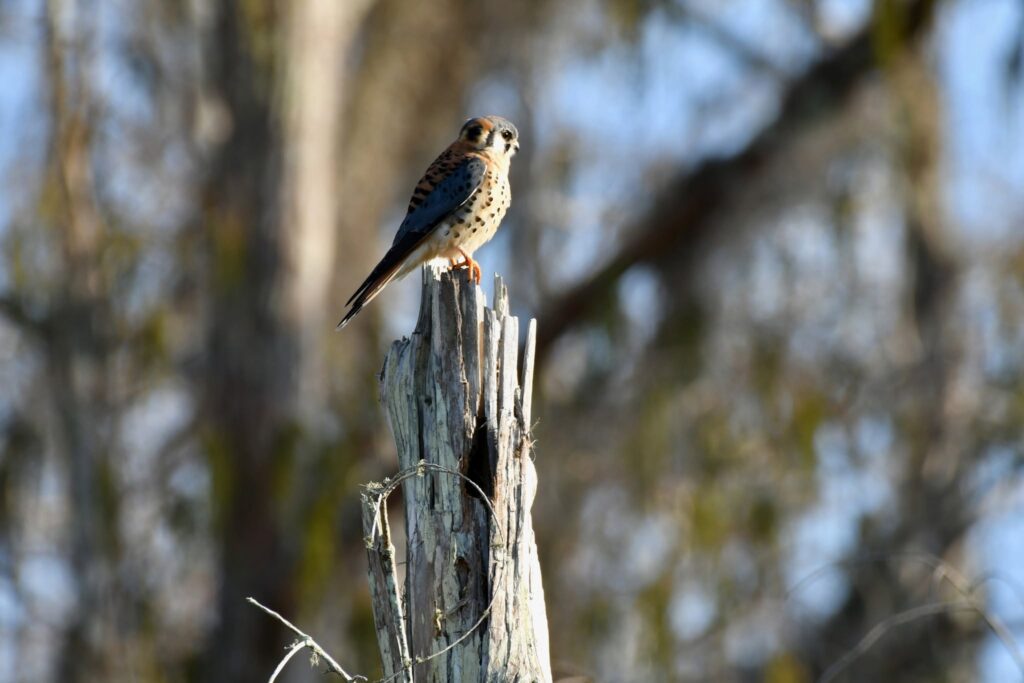

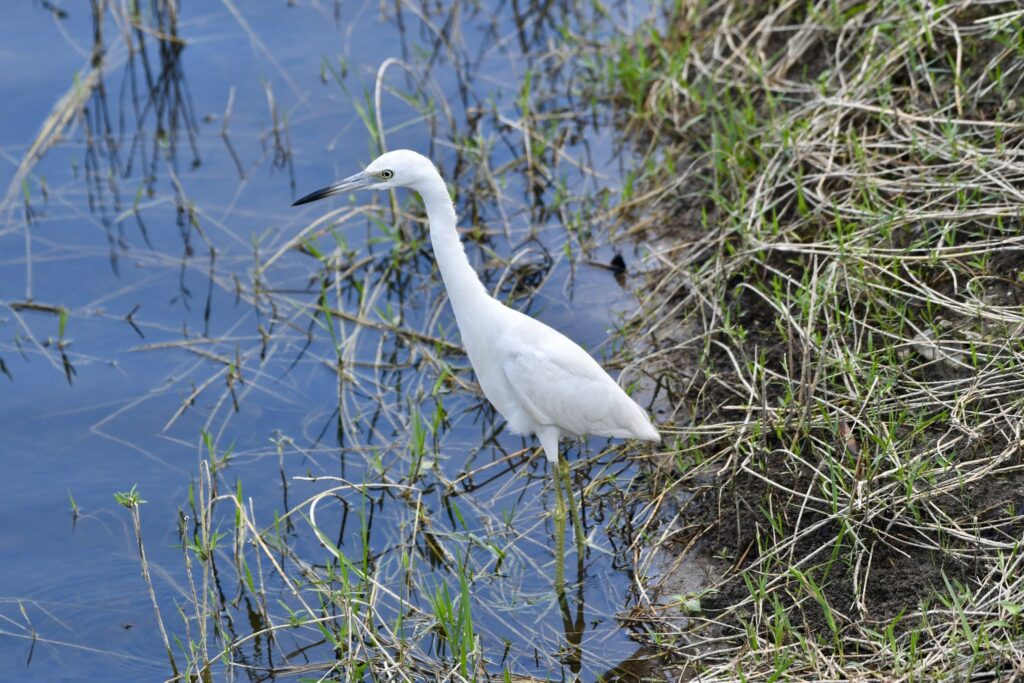

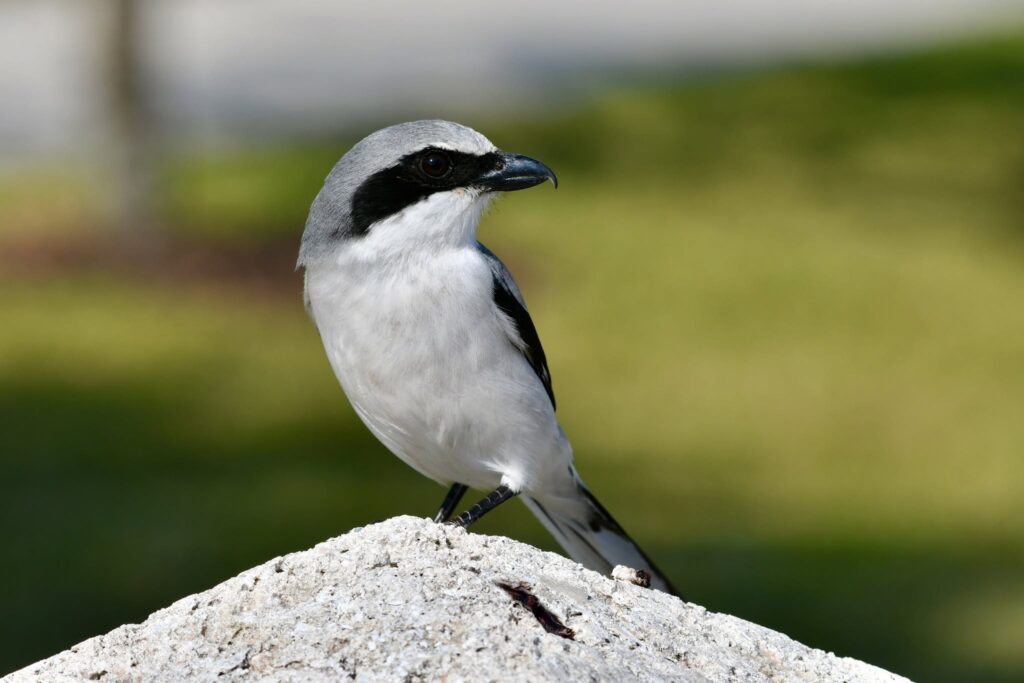
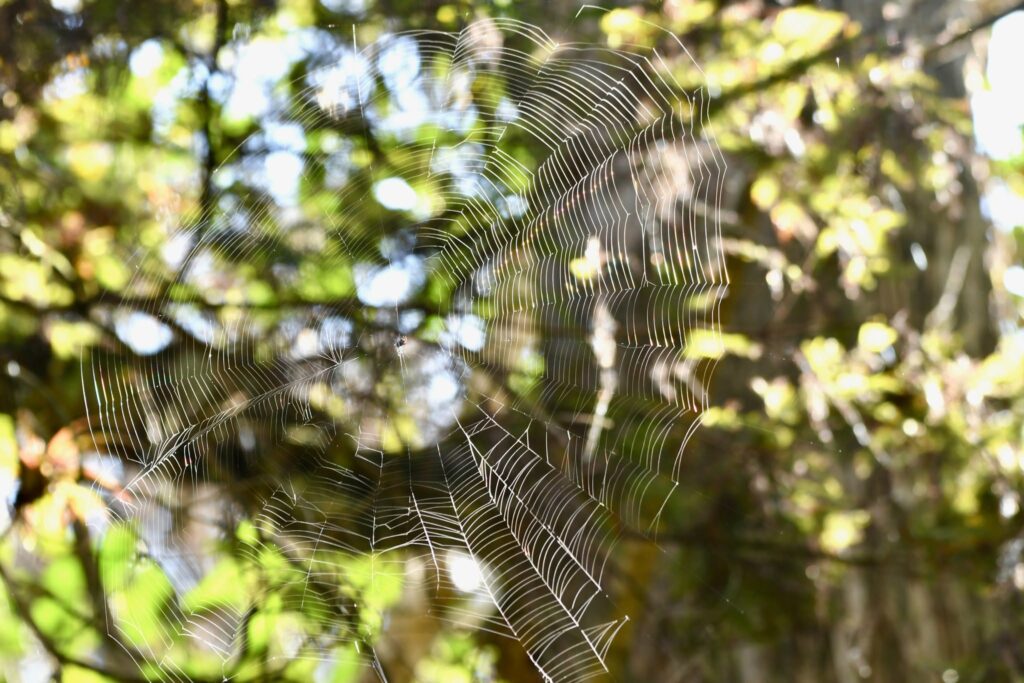
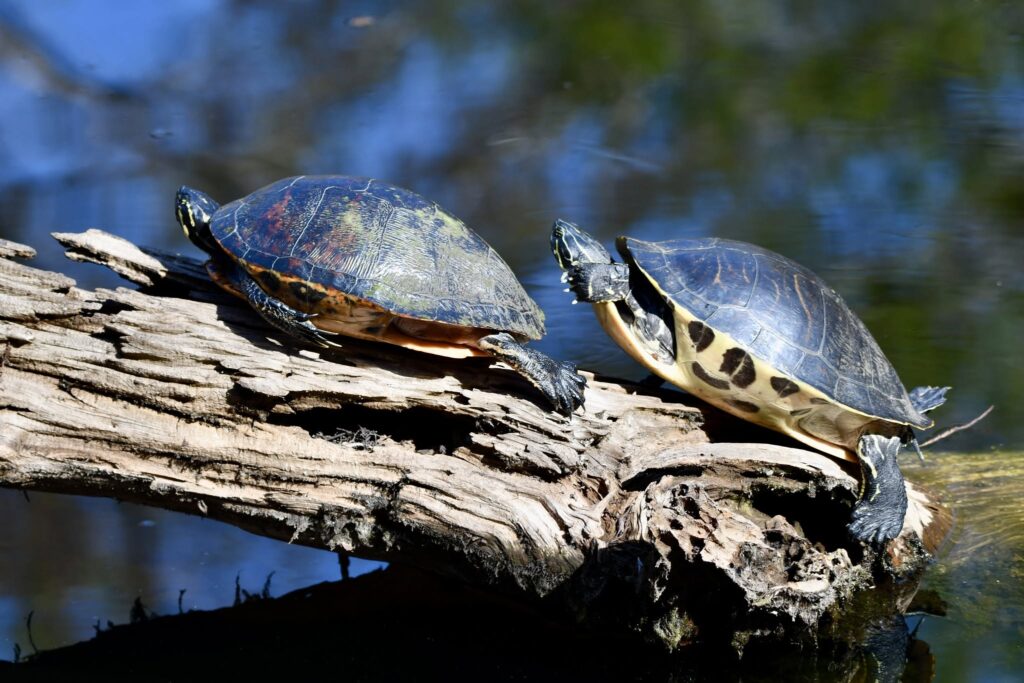
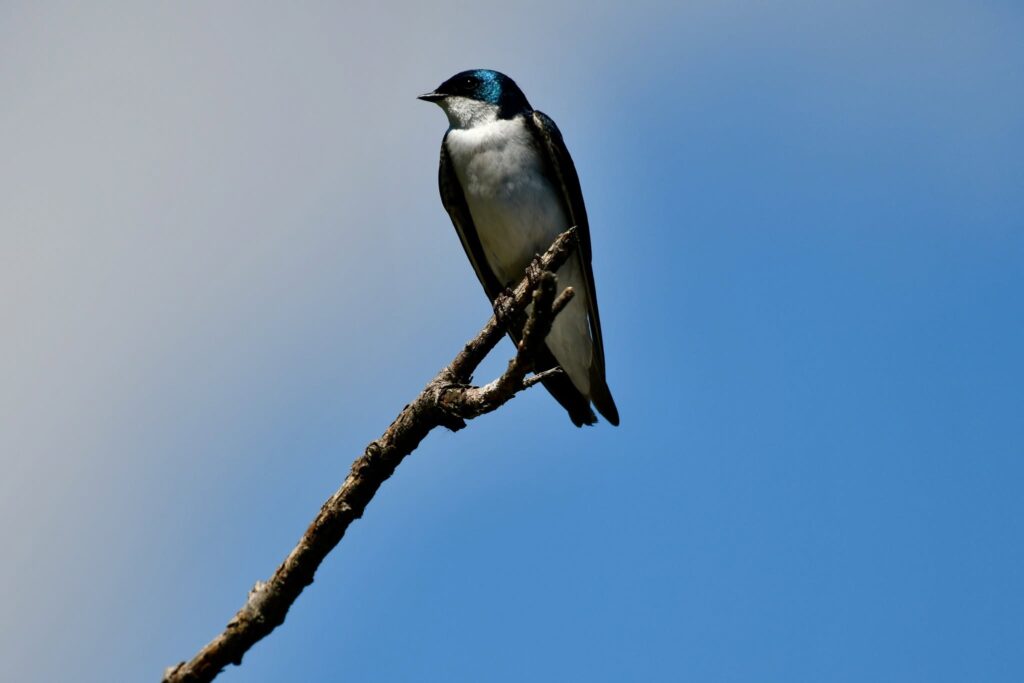

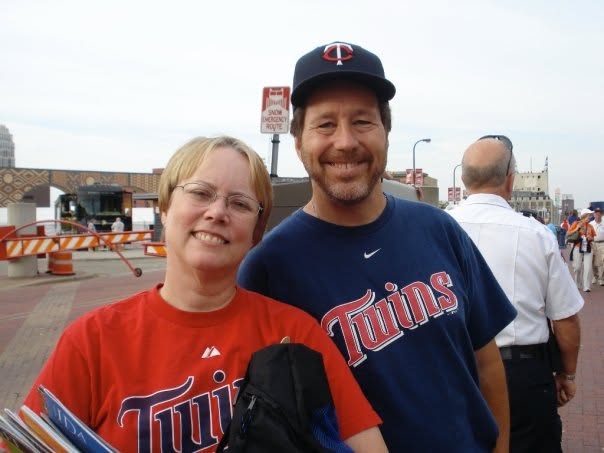
David lives in Bonita Springs with his wife of 49 years, Robin, and also has a home in Minnesota for the summers. He enjoys walking in nature with his camera for relaxation and is also a fan of baseball, sharing a partial season ticket packet to Twins games with his brother. He also enjoys reading, particularly the Atlantic, and books of both fiction and non-fiction, lately delving into poetry. He does not currently have any pets, though of course he likes animals generally.
Extraordinary People


